
You've been dumping money into marketing. Google Ads are running. Your website looks great. The phone keeps ringing. But your revenue? It's flatlined.
Here's the uncomfortable truth: your operations are strangling your growth.
While you're focused on getting more leads, your backend is bleeding profit through a thousand invisible cuts. The dispatcher who can't find the right technician. The invoice that takes three days to send. The inventory you forgot to reorder. The job that somehow cost more than you quoted.
This isn't a marketing problem. It's a systems problem. And it's costing you way more than you think.
The Growth Ceiling Nobody Talks About
Most home service businesses hit a wall between three and seven trucks. Revenue climbs, then suddenly stops. Or worse: it keeps climbing while profit margins shrink.
The pattern is predictable. What worked when you had two technicians and a cell phone doesn't work when you have eight trucks and a full schedule. Manual processes that felt "good enough" become operational nightmares.
Your dispatcher is now playing Tetris with fifteen jobs, three emergency calls, and a technician who just called in sick. They're using memory, gut feeling, and increasingly frantic text messages to keep things moving. Double bookings happen. Customers get the wrong arrival window. Your best tech spends half his day driving between jobs that should have been routed differently.
Meanwhile, you're staring at QuickBooks wondering why last month's revenue looked solid but your bank account tells a different story.
Where Your Profit Actually Goes
Let's map out what's really happening in your operation. Not the glossy version you tell yourself: the actual, messy reality.
A customer calls for service. Your CSR opens three different systems to check availability, pricing, and whether you serviced this customer before. Five minutes gone. They quote a price based on a spreadsheet that hasn't been updated in two months.
The dispatcher assigns the job. They check a whiteboard, send a text, hope the technician sees it, then manually enter it into the scheduling software. Another five minutes. They're also fielding calls from two other customers and trying to remember which tech has the right equipment for the 2 PM job.
The technician arrives. They realize they need a part that's supposedly in the truck but isn't. They call the office. The office checks inventory in yet another system. The part is back-ordered. The job gets rescheduled. The customer is annoyed. Your tech wasted an hour of drive time.
The invoice gets generated. Eventually. After someone transcribes the handwritten notes, cross-references the original quote, adds the extra labor, and sends it through email. Three days later, the customer still hasn't paid because the invoice went to their spam folder.
Every single one of these moments is a leak. And when you multiply these leaks across dozens of jobs per week, you're watching thousands of dollars evaporate.
The Real Cost of Disconnected Systems
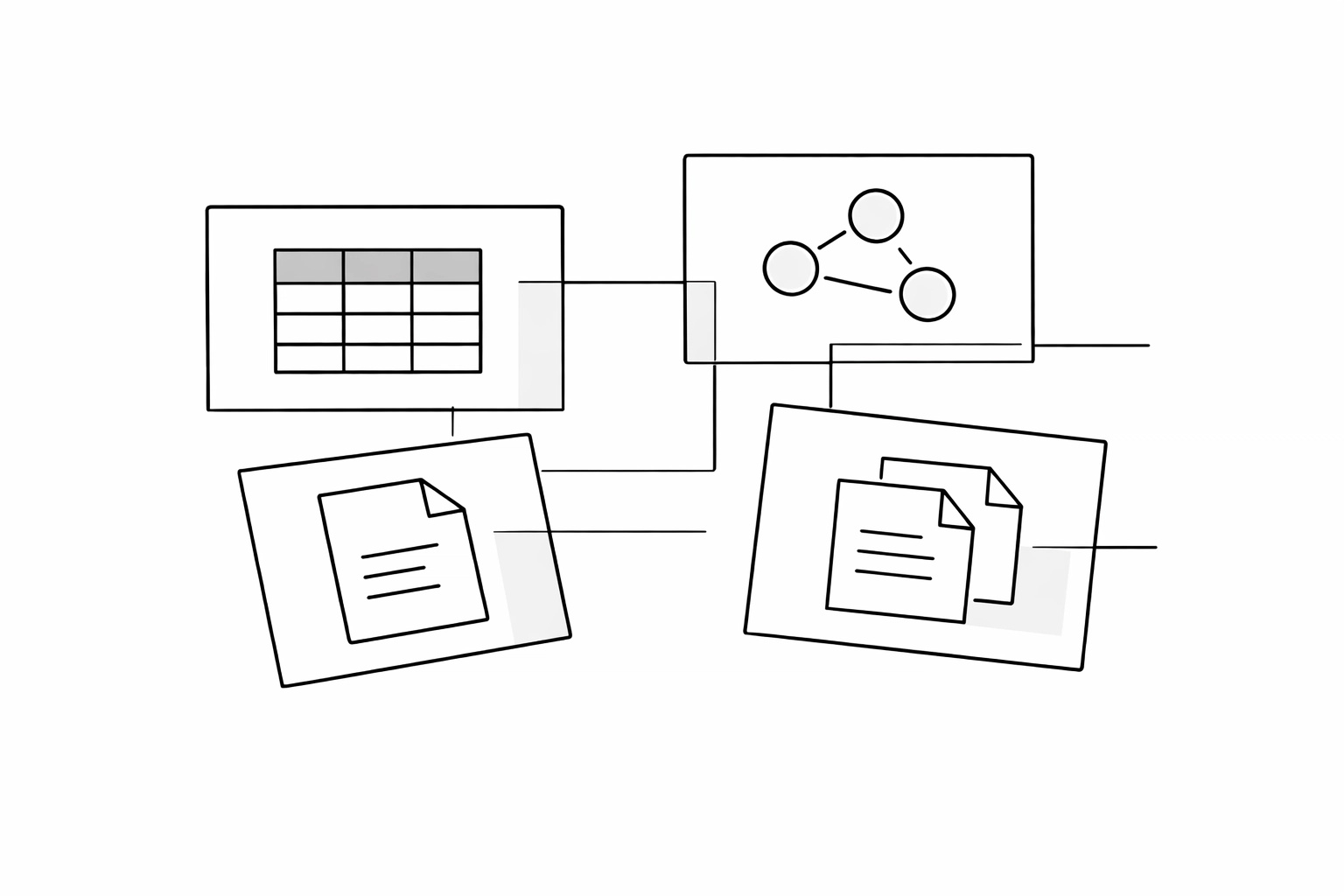
You probably have five or six tools right now. Scheduling software. Accounting platform. Customer database. Inventory spreadsheet. Dispatch whiteboard. Technician time-tracking app.
Each one works fine on its own. The problem? They don't talk to each other.
This fragmentation murders visibility. You can't see which jobs are actually profitable until weeks after they're done. You can't track technician utilization in real time. You don't know if you're understaffed or overbooked until it's too late. You're making decisions about hiring, expansion, and pricing based on gut feel instead of data.
Your operations manager spends hours every week reconciling information between platforms. Your technicians spend evenings filling out paperwork that should have been captured digitally. Your office staff stays late because processing quotes and invoices manually takes forever.
The chaos isn't random: it's structural. Your systems weren't built to scale past the size you were two years ago.
What a Real Process Audit Reveals
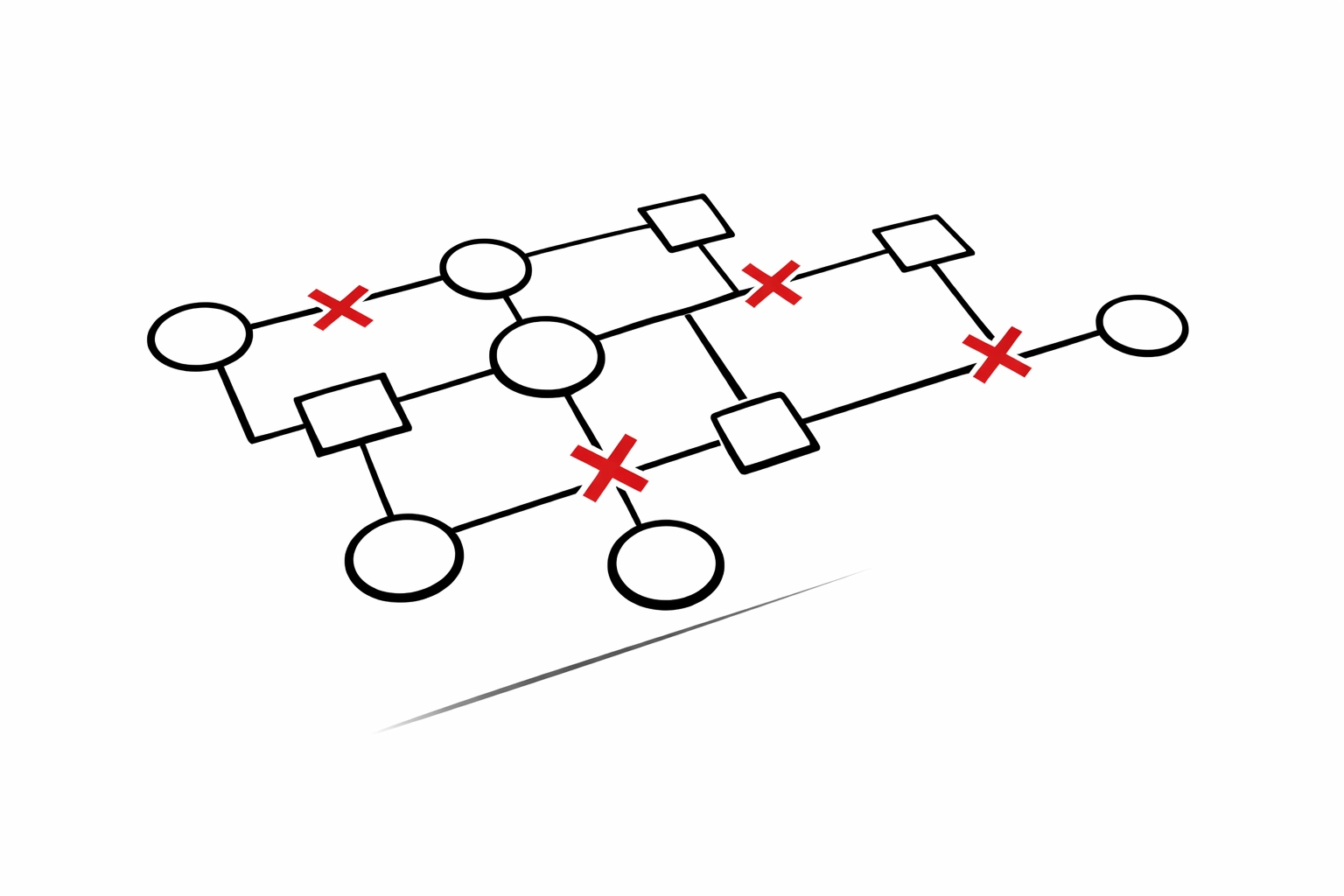
When we dig into a home service operation, we're not looking at your marketing funnel or sales process. We're mapping how information actually flows through your business.
Where does data enter your system? Phone calls, online forms, repeat customers, emergency requests. Each entry point should feed into one central hub. Most don't.
How does that data move between departments? CSR to dispatcher. Dispatcher to technician. Technician to billing. We track every handoff, every translation between systems, every place where information gets duplicated, lost, or delayed.
Where are the bottlenecks? Usually it's dispatching, invoicing, or inventory management. Sometimes it's all three. The bottleneck isn't always where you think it is.
What decisions require manual intervention? Every time someone has to manually check something, enter data twice, or call another department, that's friction. That's cost. That's where growth stalls.
A proper audit isn't about finding blame. It's about finding the truth. You can't fix what you can't see.
The Symptoms You're Already Seeing
You don't need a consultant to tell you something's wrong. You already know. The symptoms are everywhere:
Your dispatcher is overwhelmed and snapping at people. That's not a personality problem: that's a systems problem.
You're consistently underestimating job costs and discovering it weeks later. That's not an estimating problem: that's a data visibility problem.
Technicians are complaining about drive time and scheduling. That's not a routing problem: that's a coordination problem.
Customer complaints about arrival windows and follow-up have increased. That's not a service problem: that's a communication flow problem.
You're hesitant to hire another technician because you're not sure you can manage the added complexity. That's not a confidence problem: that's an operational capacity problem.
These symptoms don't improve with more effort. They don't get solved by working longer hours. They require structural change.
From Chaos to Clarity: What Actually Works
Fixing operations isn't about implementing one magic tool. It's about building connected infrastructure.
Centralize your data. Scheduling, customer records, job history, inventory, billing: it all needs to live in one interconnected system. Not six separate platforms held together with manual updates and hope.
Automate the repetitive stuff. Quote generation, invoice sending, appointment reminders, technician assignments for standard jobs. If it happens the same way every time, it shouldn't require human intervention.
Create visibility dashboards. Your dispatcher should see real-time technician locations and availability. You should see job profitability before the invoice goes out. Your operations manager should track utilization and capacity without building spreadsheets.
Map and document your workflows. Not as a boring compliance exercise: as the foundation for automation and training. You can't improve what isn't defined.
Test before you expand. Before you add truck number eight, make sure your systems can handle it. Growth should make operations smoother, not more chaotic.
The companies that scale successfully don't just work harder. They work differently. They replace reactive chaos with proactive systems.
What You Should Do Next
If you're reading this and recognizing your own operation, here's what not to do: don't immediately start shopping for new software.
Start with an honest operational audit. Map your current state. Identify where information gets stuck, duplicated, or lost. Understand which bottlenecks are costing you the most.
Then: and only then: start designing solutions. Sometimes it's process redesign. Sometimes it's consolidating tools. Sometimes it's training and documentation. Usually it's all three.
The businesses that break through the growth ceiling aren't the ones with the biggest marketing budgets. They're the ones that built operational infrastructure before they needed it.
You've built a solid home service business, but operations are starting to strain. Orders keep coming in, but profit margins are shrinking. Technicians are busy, but jobs feel chaotic. Before you throw more money at marketing or hire another dispatcher, let's look at what's actually broken.
At Sentric Group, we run operational audits specifically for HVAC, plumbing, and electrical contractors. We map how information flows through your business, identify the bottlenecks costing you thousands monthly, and design systems that replace chaos with clarity and calm.
Schedule an operations audit and see what's really stalling your growth.