
You're running a five-truck HVAC company. Calls are coming in. Jobs are getting done. Revenue is climbing. But here's what you're also noticing: profit margins are shrinking, customer complaints are increasing, and you're working 70-hour weeks just to keep the operation from falling apart.
You don't have a revenue problem. You have a systems problem.
Most home service businesses: plumbing, electrical, HVAC: scale by adding trucks, hiring more techs, and chasing more leads. It works for a while. Until it doesn't. The chaos compounds, the admin workload triples, and suddenly, you're drowning in the very growth you worked so hard to achieve.
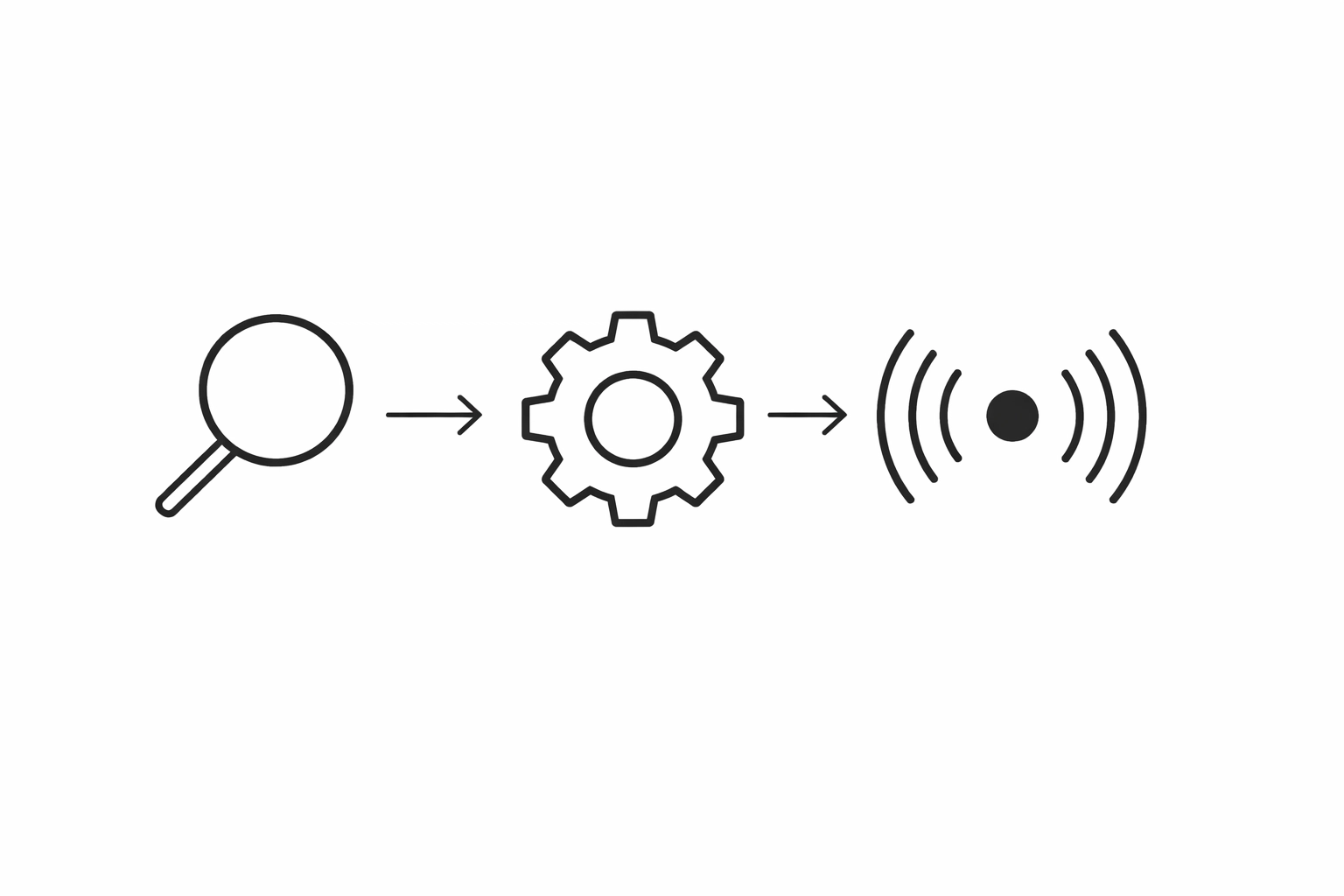
There's a better way. It's called the Systems-for-Revenue Framework, and it's built on a simple philosophy: Audit. Build. Share.
This isn't theoretical consulting jargon. It's a proven approach to turning operational chaos into predictable, scalable revenue: without burning out your team or yourself.
What the Systems-for-Revenue Framework Actually Does
The framework addresses the biggest bottleneck in home service growth: the disconnect between field operations and revenue generation.
Most business owners focus on the wrong metrics. They track total jobs completed, technicians hired, or marketing leads generated. But those numbers don't tell you where revenue is leaking: or why growth feels so exhausting.
The Systems-for-Revenue Framework flips that script. It starts with identifying the operational gaps that cost you money, then builds the infrastructure to close them, and finally creates a repeatable model you can scale without adding complexity.
Here's how it works in practice.
Step 1: Audit : Find the Revenue Leaks
Every home service business loses money in predictable places. Dispatch delays. Missed follow-ups. Technicians arriving without the right parts. Invoices sitting uncollected for 45 days. Customer requests falling through the cracks.
You might call it "just how things go." We call it operational debt, and it's costing you 10-20% of your annual revenue.
The audit phase is about identifying exactly where those leaks are happening. Not in general terms: in specific, measurable ways.
We look at:
- Dispatch efficiency: How long does it take to assign a job? Are techs sitting idle while CSRs scramble?
- Job completion rates: How many jobs require return visits because of missing information or parts?
- Customer communication gaps: Are follow-ups automated, or are they happening manually (which means they're not happening)?
- Billing cycles: How long does it take to go from job completion to payment collection?
This isn't a 40-page consulting report. It's a targeted, 3-part operational audit that highlights the top three bottlenecks draining your revenue: and exactly how much they're costing you.
Most owners are shocked when they see the numbers. A plumbing company we worked with discovered they were losing $8,400 per month just from delayed invoicing. An HVAC contractor found that dispatch inefficiencies were adding 90 minutes of wasted drive time per tech, per day.
Those aren't small problems. They're profit centers waiting to be unlocked.
Step 2: Build : Create Systems That Generate Revenue
Once you know where the leaks are, the next step is simple: build systems to close them.
This is where most consulting firms hand you a 60-slide PowerPoint and wish you luck. That's not how we operate.
Building systems means creating actual infrastructure: automated workflows, integrated tools, and documented processes: that eliminate bottlenecks without adding workload.
Here's what that looks like in the home service world:
Service Diversification Systems
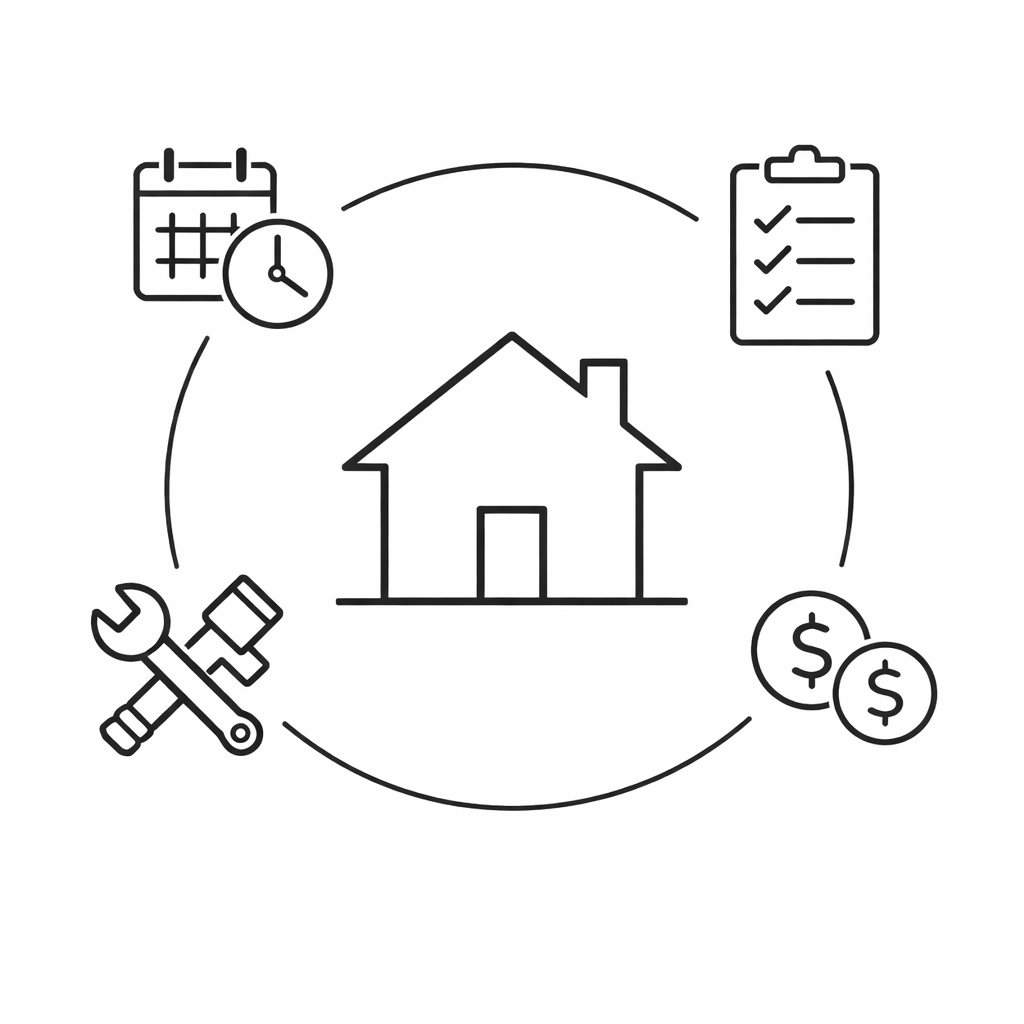
You offer plumbing, drain cleaning, and water heater installation. But are those services cross-promoted? If a customer calls for a drain issue, does your CSR mention the water heater maintenance package?
We build workflows that prompt these conversations automatically: turning single-transaction customers into recurring revenue streams.
Recurring Revenue Engines
Maintenance contracts are the holy grail of home service profitability. Predictable cash flow. Higher customer lifetime value. Lower acquisition costs.
But most companies don't have a system for selling them. Techs forget to mention them. CSRs don't have scripts. The pricing isn't standardized.
We build the entire infrastructure: pricing tiers, tech scripts, automated follow-up sequences, and billing integrations. The result? Recurring contracts go from 5% of revenue to 25%: without hiring a single salesperson.
Cross-Selling and Upselling Protocols
Your techs are already in the customer's home. That's the most valuable sales moment your business has: and most companies waste it.
We create upsell prompts that integrate directly into your field service software. When a tech completes a furnace repair, the system suggests a duct cleaning inspection. When they finish a water heater install, it recommends a whole-home plumbing audit.
These aren't pushy sales tactics. They're value-add recommendations delivered at the right moment, with the right context.
Tech-to-Office Communication Bridges
How many times has a tech completed a job, forgotten to log the details, and left the office scrambling to figure out what happened?
We eliminate that chaos with simple integrations: connecting your field service app to your CRM, your CRM to your invoicing tool, and your invoicing tool to your payment processor.
No more double entry. No more "I think the job is done, but let me check." Just clean, automated handoffs that save hours every day.
Step 3: Share : Scale What's Working
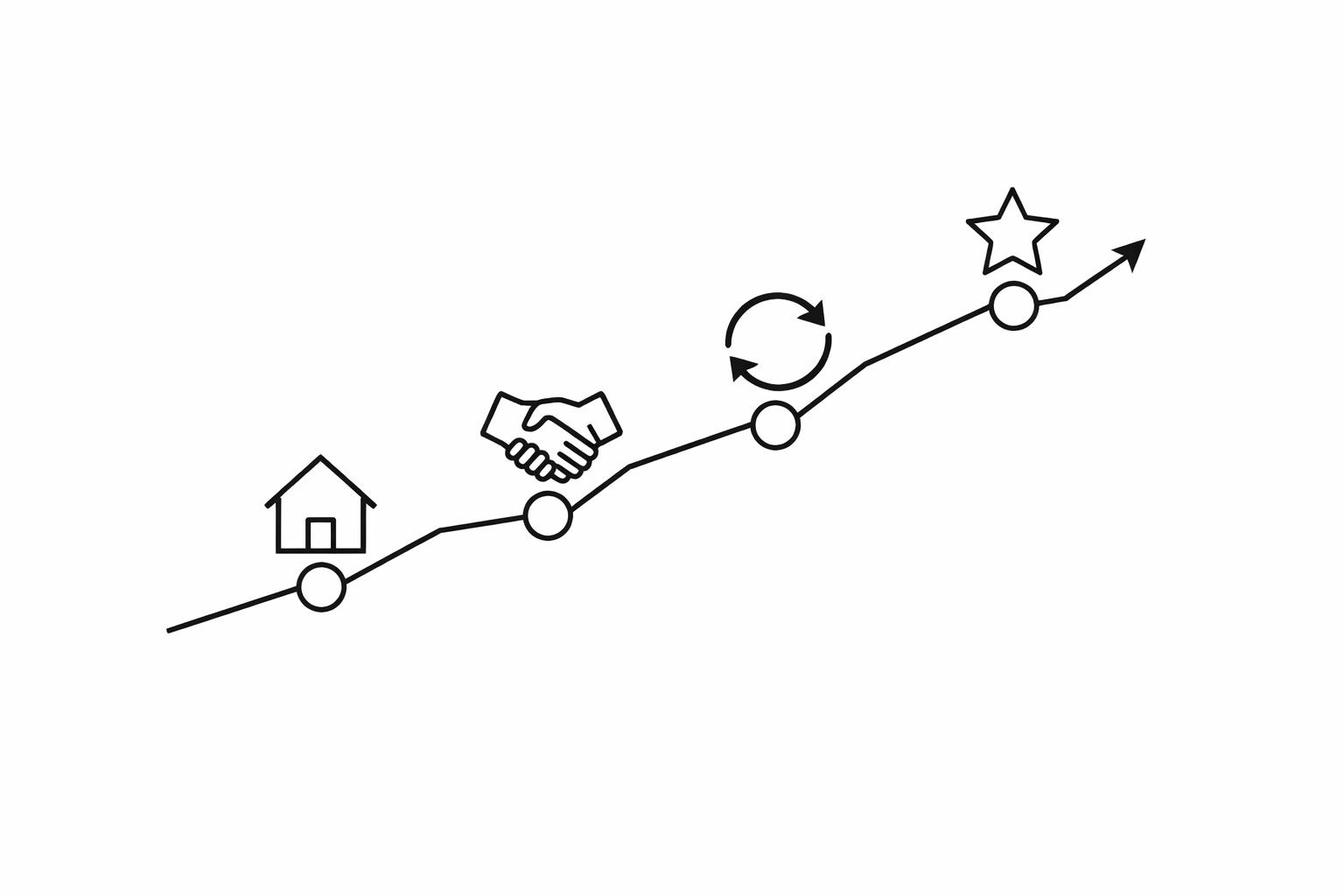
The final step is the one most businesses skip: creating a repeatable model.
You've identified the leaks. You've built the systems. Now you need to document everything so it can scale without you being the bottleneck.
This means:
- Standard Operating Procedures (SOPs): Written, step-by-step guides for every key process: dispatch, job completion, invoicing, customer follow-up
- Training modules: Onboarding materials for new techs and CSRs that get them productive in days, not months
- Performance dashboards: Real-time visibility into the metrics that matter: job completion rates, average ticket value, recurring revenue growth
When you reach this stage, something remarkable happens: your business starts running without you. Techs know what to do. CSRs know what to say. Processes happen automatically. And you finally have time to focus on strategy instead of firefighting.
Why This Framework Works for Home Service Businesses
Home services are unique. You're not selling widgets or subscriptions. You're coordinating field teams, managing emergency calls, and building trust with customers who are stressed about broken furnaces and flooded basements.
Traditional business consulting doesn't account for those realities. The Systems-for-Revenue Framework does.
It's built specifically for the operational complexity of trades businesses: where the work happens in the field, but the revenue is managed in the office, and the gap between those two worlds is where profit goes to die.
This framework closes that gap.
It turns dispatch chaos into streamlined workflows. It converts one-time customers into recurring contracts. It transforms your techs into revenue-generating assets instead of cost centers.
And it does all of this without requiring you to hire a VP of Operations or invest in enterprise-grade software.
What Happens When You Ignore Systems
Let's be honest: you can keep running your business the way you've been running it.
Jobs will get done. Revenue will come in. You'll stay busy.
But here's what else will happen:
- Profit margins will keep shrinking as operational inefficiencies compound
- Your best techs will burn out or leave for competitors with better systems
- Growth will stall because you can't scale chaos
- You'll keep working 70-hour weeks, wondering when it gets easier
Growth without systems doesn't lead to freedom. It leads to a bigger, more stressful job.
Start with the Audit
If you're running a home service business and revenue is climbing but profit isn't: or if you're scaling and it feels harder than it should: you don't need more marketing. You need operational clarity.
The Systems-for-Revenue Framework starts with an audit. It's a 3-part operational assessment that shows you exactly where revenue is leaking and how much each bottleneck costs.
From there, we build the systems that close those gaps. And then we document everything so it scales.
At Sentric Group, we specialize in business operations consulting for home service companies. We don't do theory. We build infrastructure: workflow automation, tool integrations, SOPs, and dashboards: that turns operational chaos into predictable revenue.
If you're ready to stop fighting fires and start building systems, let's talk. Because the fastest way to scale your business isn't adding more trucks. It's fixing what's already broken.