
You're sitting in your truck at 6:47 PM. Three clipboards are scattered across the passenger seat. One has today's completed jobs. Another has invoices you need to drop off at the office. The third has next week's schedule, already outdated because two emergency calls came in this afternoon.
You know there's a better way. You've seen the ads for field service software. But between permit runs, supply house trips, and actually running jobs, the idea of "going digital" feels like one more thing you don't have time for.
Here's the reality: staying on paper is costing you more than you think. And the switch to automated workflows isn't nearly as painful as you're imagining.
The Real Cost of Paper-Based Operations
Most electrical contractors don't calculate what paper actually costs them. It's not just the clipboards and carbon-copy invoices. It's the hours spent each week doing administrative work that could be automated.
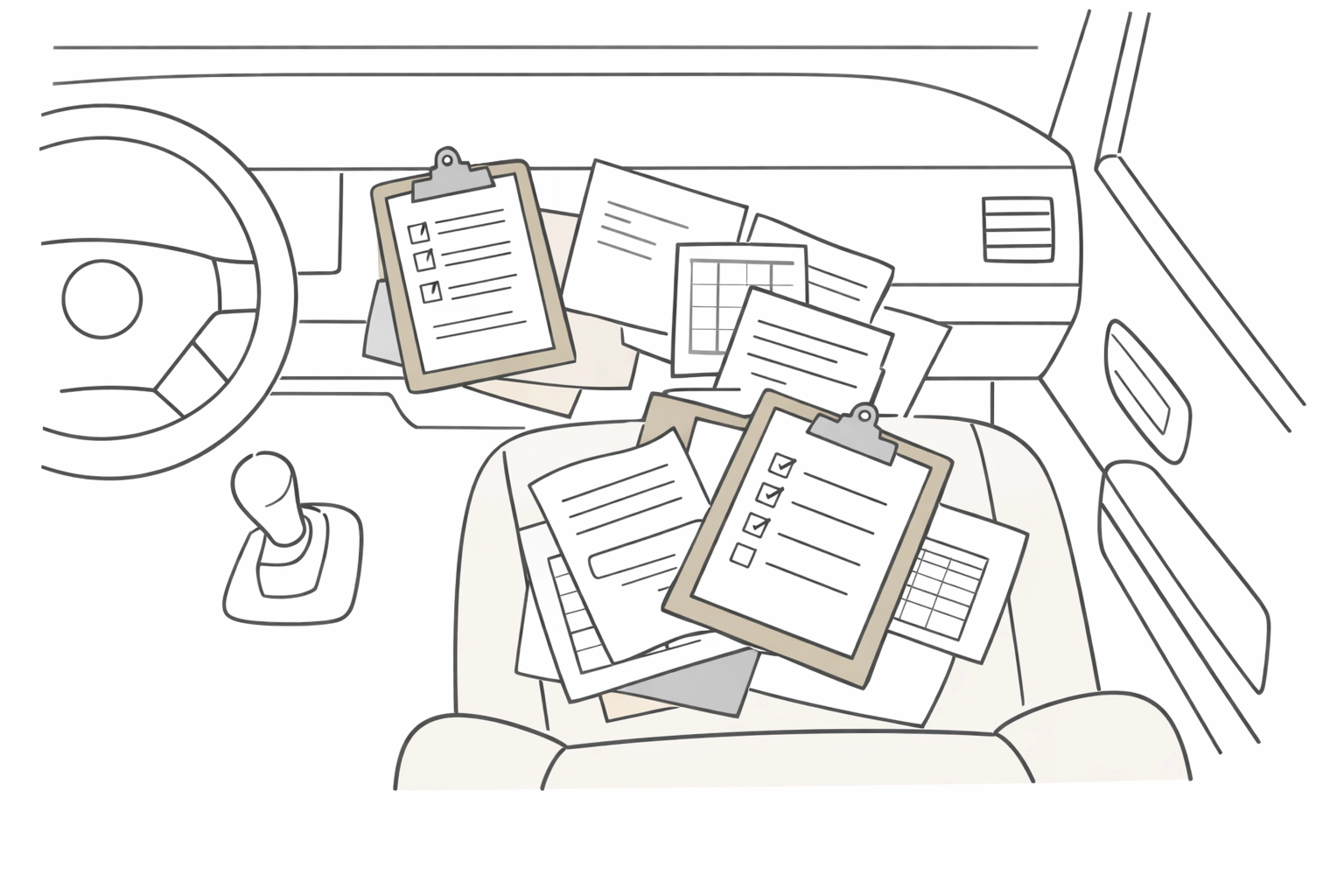
Alt text: Electrical contractor surrounded by paperwork and clipboards in truck cab, neutral gray and beige tones
Consider a typical week. You're manually entering job notes into Excel. Your dispatcher is calling technicians to check their location. Invoices are being hand-written in the field, then re-entered into QuickBooks back at the office. Customer calls are logged on sticky notes. Parts inventory is tracked on a whiteboard that's two weeks behind.
Each of these tasks represents time. And in the trades, time equals money. When you're spending 10+ hours a week on paperwork, that's 10 hours you're not billing, not selling, and not managing your team.
The hidden costs run deeper. Paper work orders get lost. Technicians forget to log materials. Jobs fall through the cracks because someone didn't update the schedule. You're leaving money on the table every single week.
What Workflow Automation Actually Means
Forget the buzzwords. Workflow automation for electrical contractors means your daily operations run through software instead of paper and phone calls.
Here's what changes:
Scheduling happens in real-time. A customer calls for an emergency breaker panel repair. Your dispatcher opens the schedule, sees which technician is finishing up nearby, and assigns the job. The technician gets a notification on their phone with the address, customer history, and any special notes. No phone tag. No radio calls. No clipboard updates.
Job tracking is automatic. Your technician arrives on site and checks in through their phone. You can see their location in real-time. When they complete the work, they fill out a digital form that includes photos, labor hours, materials used, and customer signature. That data syncs immediately to your office system.
Invoicing takes seconds. The completed job ticket automatically generates an invoice. All the labor, materials, and service details are already there. Your technician can text or email the invoice to the customer on the spot. Payment can happen right there in the driveway through integrated processing.
Cash flow improves immediately. Because invoices go out faster and customers can pay on-site, your billing cycle shrinks from weeks to days. Money hits your account before you even get back to the office.
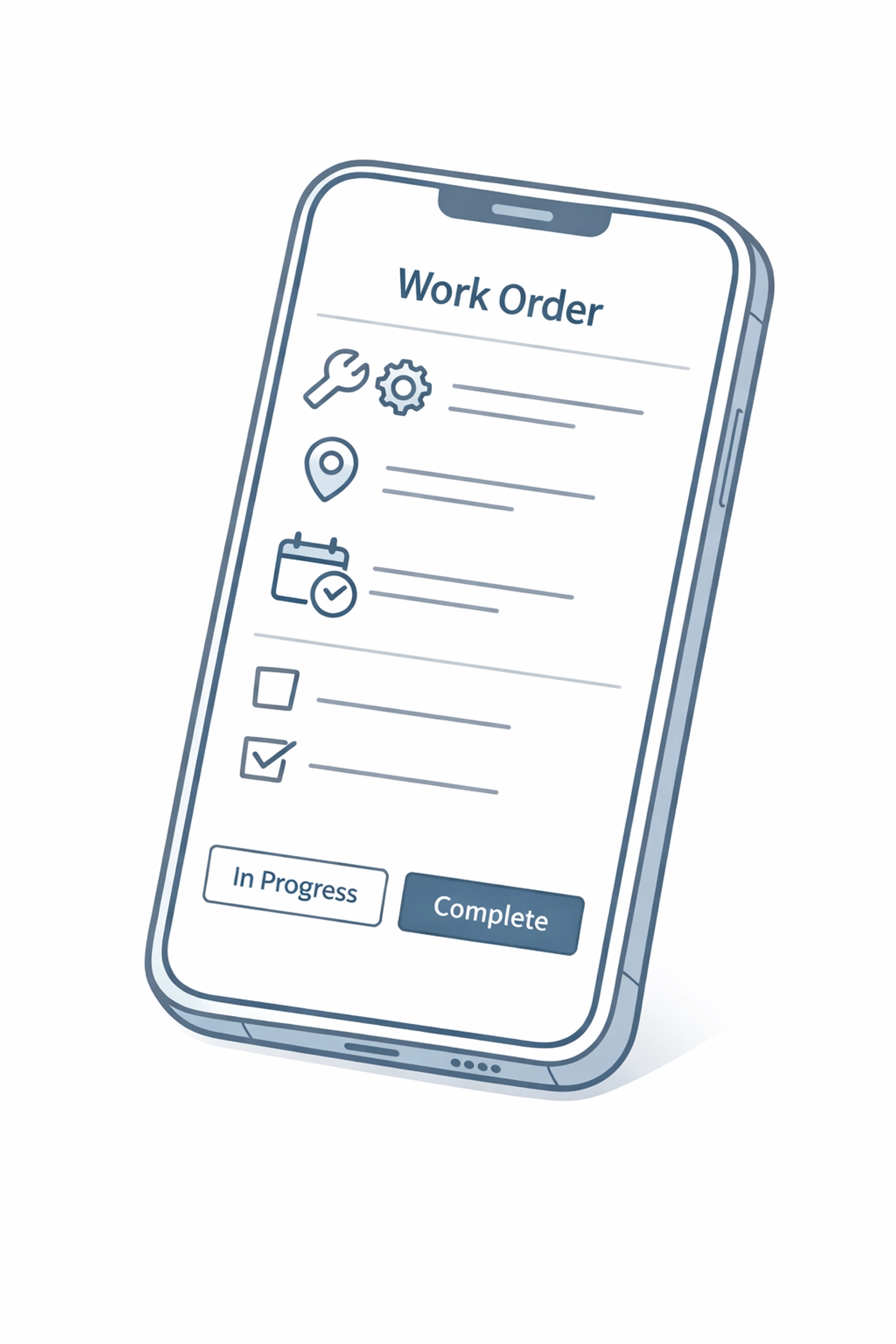
Alt text: Mobile phone screen showing digital work order interface with job details and completion buttons, muted blue and gray color scheme
The Features That Actually Matter
Not all electrical contractor software is built the same. Some platforms are overbuilt for enterprise operations. Others are too basic for a growing contractor. Here's what you actually need:
Mobile-first design. Your technicians live in their trucks. If the software isn't easy to use on a phone, it won't get used. Period. Look for platforms where technicians can access jobs, update statuses, capture photos, and generate invoices without ever opening a laptop.
Real-time dispatch capability. Your schedule changes 20 times a day. Emergency calls. Weather delays. No-shows. Your software needs to adjust dynamically and notify everyone automatically. Static schedules don't work in this business.
Integrated invoicing and payments. The work order should flow directly into the invoice. No re-entering data. No manual calculations. And customers should be able to pay via credit card, ACH, or even text-to-pay right from their phone.
QuickBooks integration. You're probably already using QuickBooks for accounting. Your field service software should sync with it automatically. Job costs, payments, and invoices should flow into your books without manual entry.
Customer history and notes. When a technician arrives at a repeat customer's home, they should see the full service history on their phone. What was installed. What's under warranty. What the customer mentioned last time. This level of detail builds trust and prevents repeated issues.
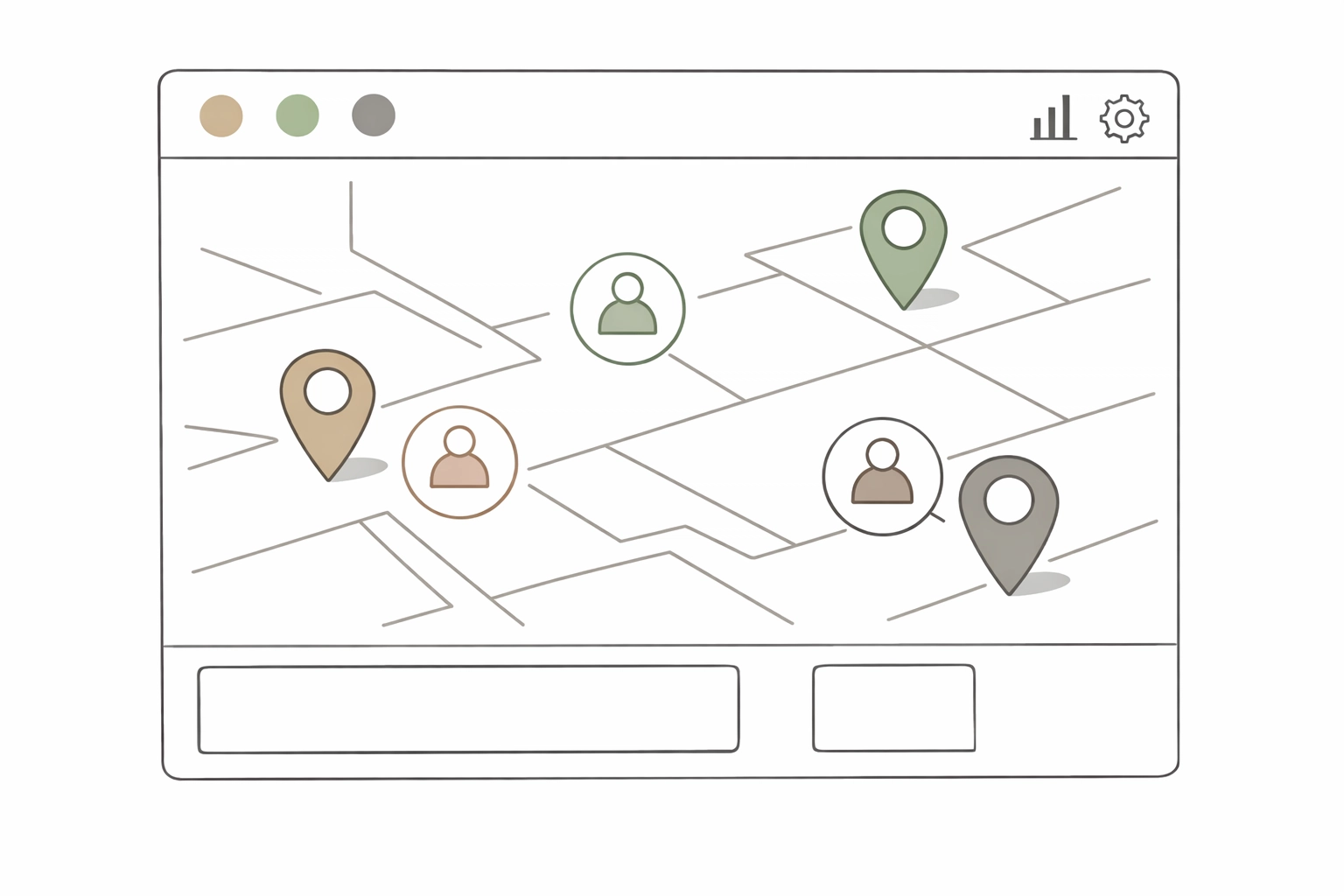
Alt text: Dashboard showing real-time technician locations on map with job status indicators, neutral earth tones
Making the Transition Without Chaos
The biggest objection to going paperless is always the same: "We're too busy to change our entire system right now."
Fair point. But here's the thing: you don't flip the switch overnight. The contractors who successfully transition do it in stages.
Start with scheduling. Move your job calendar into the software first. Get your dispatcher and office team comfortable assigning jobs digitally. Keep everything else the same for now. This single change will save hours of phone tag every week.
Add mobile work orders next. Once scheduling is running smoothly, equip one or two of your most tech-savvy technicians with mobile access. Let them test the digital forms while others stay on paper. Work out the kinks with a small group before rolling it out company-wide.
Bring invoicing online last. Once your team is comfortable with digital work orders, integrate the invoicing side. This is where you'll see the biggest cash flow improvements: but it's also the most sensitive change for your accounting workflow. Take your time here.
Most contractors complete this transition in 4-6 weeks. Not months. Not a year. Weeks.
What This Looks Like in Real Operations
Let's get specific. You run a three-truck residential electrical business. You're doing service calls, panel upgrades, and some light commercial work. Here's what automation changes:
Monday morning. Instead of gathering everyone in the office to hand out paper job tickets, your dispatcher assigns jobs digitally on Sunday night. Technicians wake up Monday and already know their first two calls. Routes are optimized. Drive time is minimized.
Mid-week emergency. A property manager calls with a blown transformer at a rental property. Your dispatcher opens the system, sees Truck 2 is 12 minutes away and has capacity, and assigns the job. The technician gets the alert, reviews the customer's previous service tickets, and heads over. No phone call. No text chain. Just seamless coordination.
End of day. All three technicians have submitted their completed work orders digitally. Invoices are already sent. Two customers paid on-site via mobile card reader. The third got an email invoice with a "Pay Now" button. Your receivables are updated in real-time. You're not chasing down paperwork or waiting for techs to drop off clipboards.
Friday afternoon. You pull up your dashboard and see the week's numbers. Total jobs completed. Average ticket size. Outstanding invoices. Technician utilization rates. All the data you need to make decisions: without digging through file folders or reconciling spreadsheets.

Alt text: Electrical contractor reviewing weekly performance dashboard on tablet, warm neutral tones
The Bottom Line for Growing Contractors
Going paperless isn't about chasing trends. It's about running a business that scales without you working 70-hour weeks.
When your workflows are automated, a few things happen:
You get time back. Hours that used to go toward paperwork now go toward sales calls, team training, or actually taking a day off.
Your team runs smoother. Miscommunication drops. Jobs stop falling through cracks. Technicians know what to do and where to go without constant check-ins.
You get paid faster. Invoices go out same-day. Payments clear within days. Your cash flow stabilizes.
You can see what's actually happening. Real-time data replaces gut feelings. You know which technicians are most productive, which service types are most profitable, and where bottlenecks exist.
The contractors still running on paper and Excel aren't bad operators. They're just fighting with one hand tied behind their back. Modern electrical businesses need modern tools. The good news? Those tools are more accessible and affordable than ever.
You don't need a six-figure software investment. You don't need an IT team. You just need to decide that the way you've always done it isn't the way you'll keep doing it.
Sentric Group helps electrical contractors transition from paper-based chaos to automated clarity. We build systems that actually fit how your business operates: not the other way around. Learn more about our approach.