
You've got nine trucks on the road. Revenue is solid. Your team keeps telling you it's time to hire truck #10, maybe even #11 and #12 while you're at it.
But here's the thing: adding more trucks doesn't automatically mean more profit. In fact, if your operations aren't dialed in, that tenth truck could be the one that tips you from "growing fast" to "bleeding cash slowly."
Before you post that job listing or sign another truck lease, you need to audit three core areas of your plumbing operation. Not a surface-level check. A real audit that tells you whether your systems can actually support another crew, or whether you're about to scale chaos.
Part 1: Dispatch & Capacity Mapping , Are Your Current Trucks Actually Profitable?
Most plumbing companies know their total monthly revenue. Fewer know which trucks are making money and which ones are running at breakeven or worse.
Capacity mapping means understanding exactly how efficiently each truck operates. You need to answer:
- How many billable hours is each truck logging per week?
- What's the revenue per truck after labor, materials, and overhead?
- Are certain crews consistently running callbacks or warranty work that kills margin?
- Which jobs are getting dispatched to which trucks, and is that routing optimized, or just whoever picks up the phone first?
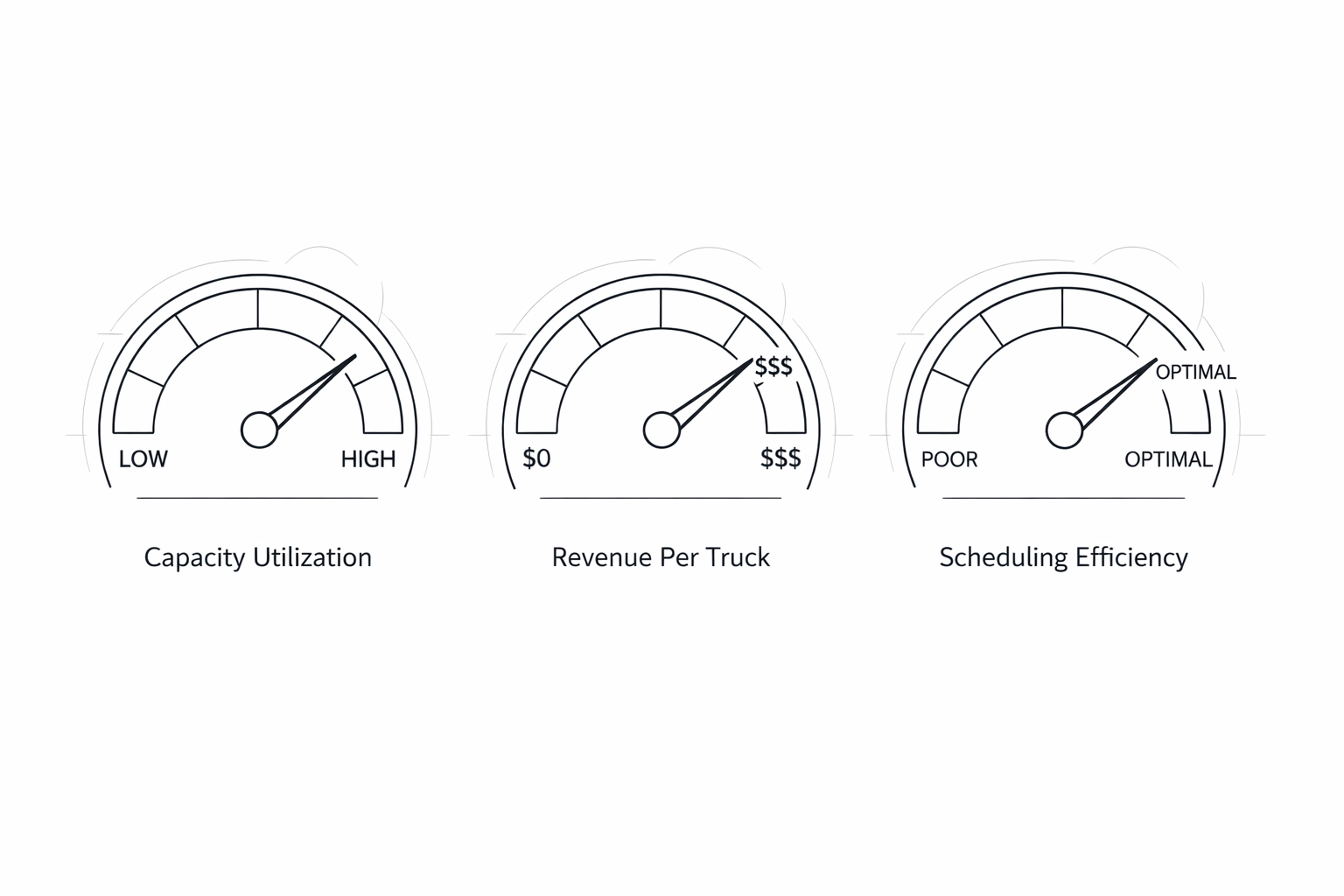
If you can't answer these questions with real numbers, you're flying blind. And hiring truck #10 just means you'll have ten trucks operating in the dark instead of nine.
What Good Dispatch Data Looks Like
The best plumbing companies we work with can pull up a dashboard and see:
- Utilization rate per truck: How much time each crew spends driving, working, waiting, or sitting idle.
- Job profitability by type: Water heater installs might be your moneymaker while drain clears barely cover costs.
- Scheduling gaps: Times when trucks sit empty or jobs get pushed because everyone's booked out.
When you map capacity like this, you often discover you don't need truck #10 yet. You need better routing, tighter scheduling, or to stop sending your highest-paid plumber to do work an apprentice could handle.
But if the data shows you're consistently at 90%+ utilization with healthy margins and jobs getting delayed by a week or more? Then yeah: truck #10 makes sense.
Part 2: Financial Integration : Does Your Money Flow Match Your Workflow?
Here's a scenario we see all the time:
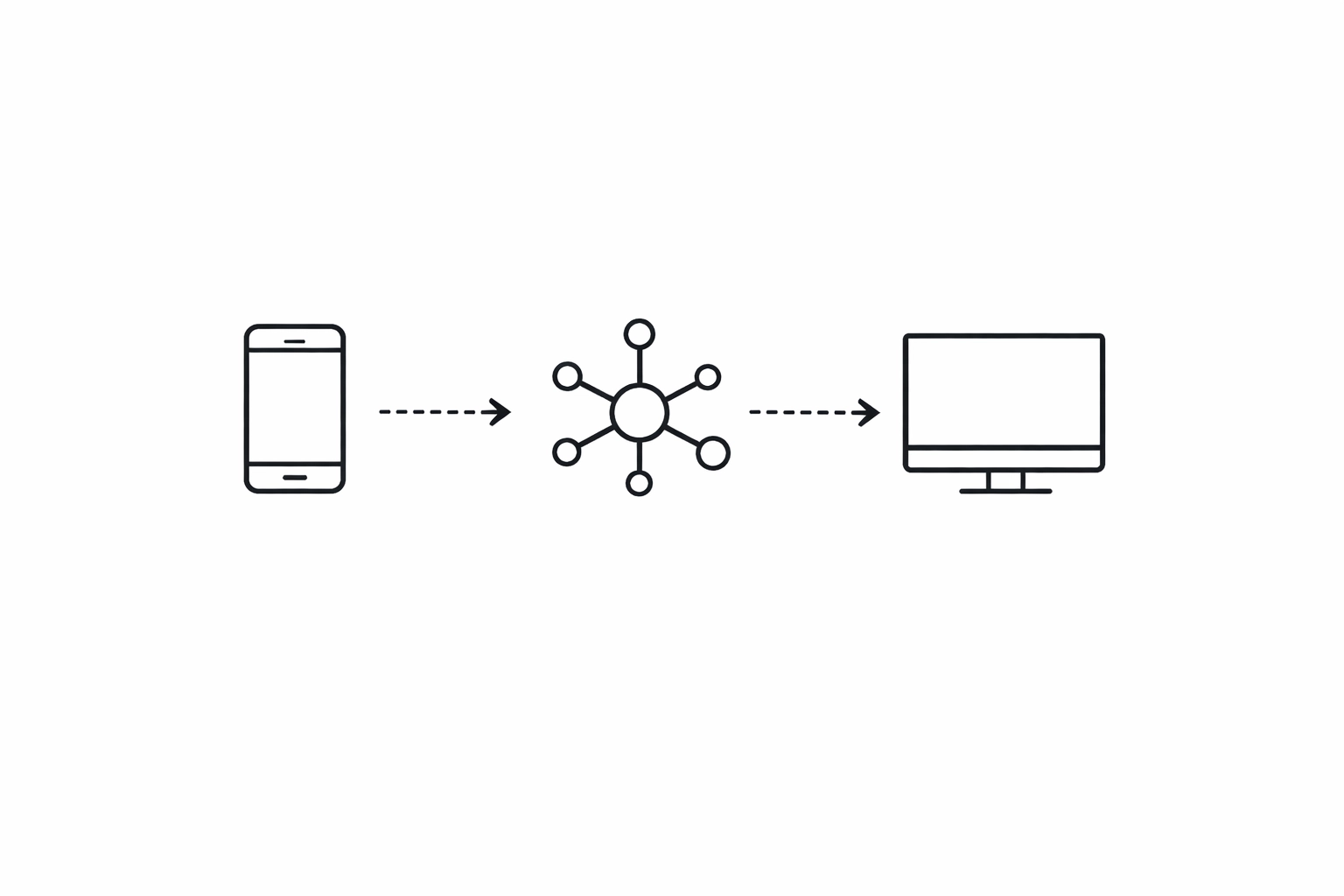
Your plumber finishes a job in ServiceTitan or Jobber. Two days later, the office manually enters that invoice into QuickBooks. A week after that, someone reconciles payments. By the time you actually know whether that job made money, you've already dispatched fifty more just like it.
This isn't just an accounting headache. It's an operational blindspot that costs you thousands every month.
The Integration Test
Pull up your financial software and answer this:
- Can you see real-time job costing the moment a technician closes out a ticket?
- Do your dashboards auto-populate with revenue, cost of goods sold, and gross profit per job?
- When a customer pays via credit card in the field, does that money instantly show up in your cash flow report?
If you're still manually entering data, exporting CSVs, or waiting until the end of the month to reconcile, you're not ready to scale. You're just adding more manual work for your office staff: and probably missing profit leaks along the way.
What Plumbing Companies Actually Need
A proper financial integration connects your field management tool (ServiceTitan, Jobber, Housecall Pro) directly to your accounting system (QuickBooks, Xero) and surfaces that data in a live dashboard.
You should be able to log in every Monday morning and see:
- Which jobs closed last week and at what margin
- Outstanding invoices aging past 30 days
- Material costs trending up or down
- Revenue per truck, per technician, per job type
When you have this visibility, truck #10 becomes a data-backed decision instead of a gut feeling.
Part 3: The Manual Task Kill List : What's Eating Your Team's Time?
This is the audit most plumbing owners skip: and it's the most important one.
Every week, your team is doing dozens of repetitive, manual tasks that automation could handle. These tasks don't feel like a big deal individually. But when you add them up across nine trucks, they're costing you hours every single day.

Common Manual Tasks Killing Plumbing Profits
Here's what we typically find when we audit a plumbing operation:
- Invoice follow-ups: Someone manually calling or emailing customers about overdue payments
- Scheduling confirmations: Texting customers the day before to confirm appointments
- Job notes transcription: Plumbers writing notes on paper, then the office typing them into the system
- Inventory checks: Calling around to see which truck has a specific part
- Reporting: Spending hours every week building spreadsheets that should auto-generate
Every one of these tasks can be automated or systemized. But until you document them, you can't fix them.
How to Build Your Kill List
Sit down with your dispatcher, your office manager, and a couple of your senior techs. Ask them:
"What's one thing you do every day that feels like busywork?"
Write down everything they say. Don't filter it. Just capture the full list.
Then prioritize based on two factors:
- Frequency: How often does this task happen?
- Impact: How much time or money does it waste?
The tasks that score high on both? Those are your quick wins. Automate them before you hire truck #10, and you'll free up capacity you didn't even know you had.
Before You Hire Truck #10, Run the Audit
Scaling a plumbing company isn't about adding more trucks. It's about building systems that make each truck more profitable, your operations more efficient, and your team's time more valuable.
The three-part audit: dispatch mapping, financial integration, and the manual task kill list: tells you whether your foundation is strong enough to support growth. Or whether you're about to hire your way into bigger problems.
At Sentric Group, we help plumbing companies run this exact audit. We map your operations, connect your tools, and build systems that turn chaotic growth into predictable profit. It's what we call the Systems-for-Revenue Framework: human-led consulting that doesn't just hand you a checklist, but actually walks you through implementation.
Right now, we're offering a $1,000 audit credit toward any systems build. We'll dig into your dispatch flow, financials, and manual processes: then show you exactly where the profit leaks are and how to fix them.
You didn't get to nine trucks by accident. You know how to run a plumbing business. Let us help you build the systems that let you scale it without losing your mind: or your margin.
Ready to see where your operations actually stand before hiring that next truck? Let's start with the audit. Visit sentricgrp.com/systems-audit and let's map this out.