
Published: February 19, 2026
Author: Tim, CEO at Sentric Group
You've hired your third truck. Calls are coming in. Jobs are getting booked. But somewhere between dispatch and getting paid, things are falling through the cracks.
Sound familiar?
The dispatch-to-invoice gap isn't just an administrative headache: it's a revenue leak. Missed follow-ups, lost paperwork, delayed invoicing, and payment friction all add up to thousands in cash flow problems every month. For teams running 1-10 users, this gap often becomes the difference between smooth growth and operational chaos.
Enter Jobber: a field service management platform built specifically to close that gap for growing teams who need simplicity, not complexity.
Why Small to Medium Teams Choose Jobber
Jobber isn't trying to be everything to everyone. It's designed for the sweet spot: businesses that have outgrown spreadsheets and text messages but don't need enterprise-level complexity.
If you're running between 1-10 field technicians, you need software that your team will actually use. Not something that requires a three-day training session or a dedicated IT person to manage. Jobber delivers on that promise with an interface that feels intuitive from day one.
The platform manages your complete workflow: from the moment a customer calls to the moment payment hits your account: without requiring you to stitch together five different tools. Everything lives in one place: scheduling, dispatching, job tracking, invoicing, and payments.
This matters more than you might think. When your dispatcher can see real-time job status, your techs can access customer history in the field, and your office manager can send invoices the moment a job closes, you've eliminated the handoff friction that kills momentum in growing businesses.
Visual Proposals That Actually Close Jobs
Here's where Jobber separates itself from basic scheduling software: their proposal and quoting tools are built for sales, not just record-keeping.
When you're on-site with a customer, you can build professional-looking proposals directly from your phone or tablet. The visual quote builder lets you add photos, itemized pricing, and service descriptions that make your estimate look polished and trustworthy.
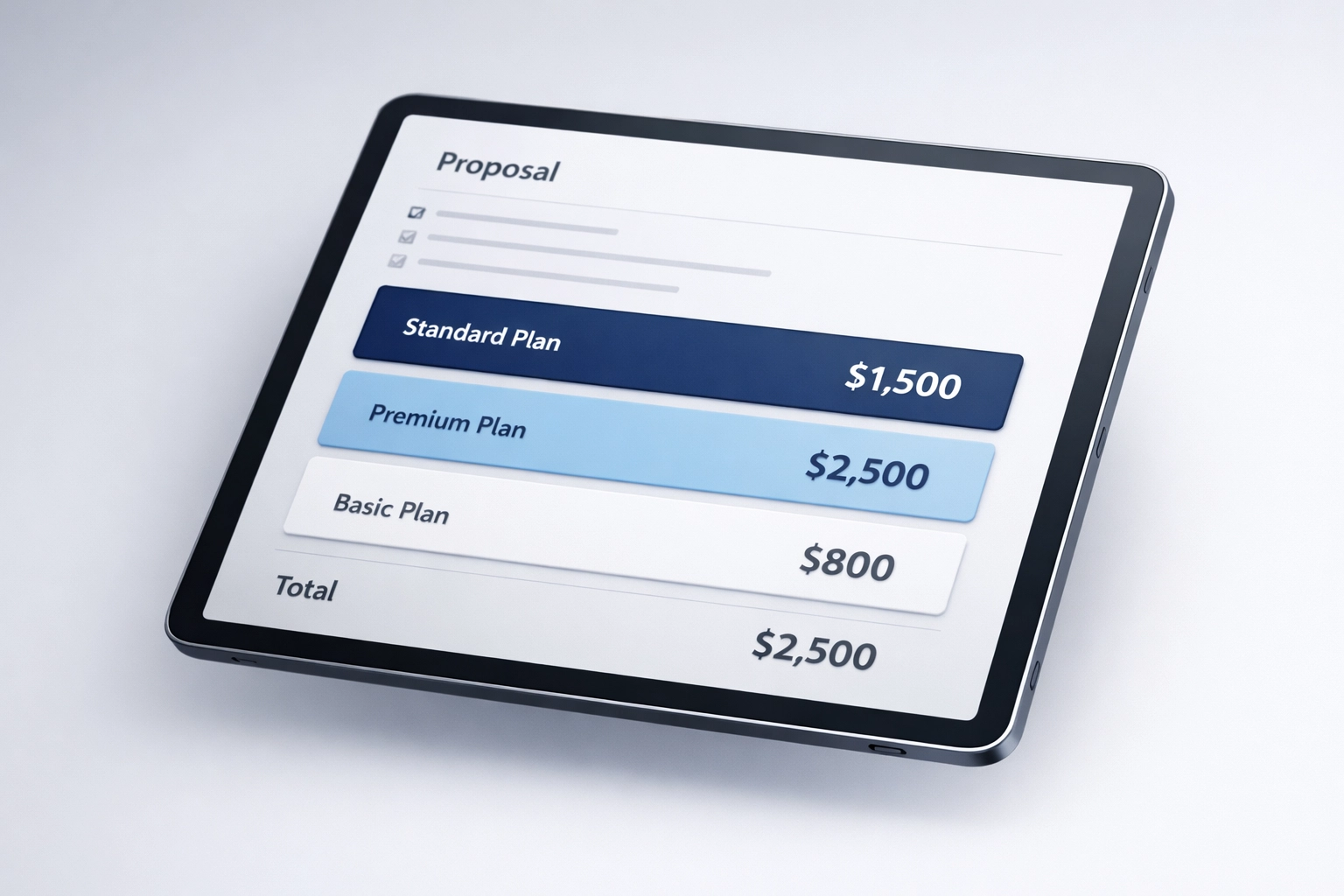
Customers can approve quotes digitally with a single tap. No more "let me think about it" delays while you drive back to the office to print paperwork. No more lost estimates sitting in email inboxes. The approval happens in real-time, and the job immediately flows into your schedule.
This speed matters. In our work with home services companies through our Systems-for-Revenue framework, we've seen that reducing quote-to-approval time directly impacts close rates. When customers can make decisions in the moment: while the problem is still fresh and your team is still on-site: conversion rates jump.
Jobber's proposal tools also support tiered pricing options, allowing you to present good-better-best scenarios that naturally upsell without feeling pushy. You're giving customers choices, and the visual format makes it easy for them to understand the value difference between options.
Bridging the Dispatch-to-Invoice Gap
The real magic happens in how Jobber connects the dots between field work and getting paid.
Dispatch and Real-Time Coordination
When you assign a job in Jobber, your technician receives an instant push notification with all the details they need: customer information, service history, job notes, and GPS directions. No phone calls. No text message chains. Just clean, instant communication.
Your dispatch board shows you exactly where every team member is throughout the day using GPS tracking. If a job finishes early or a customer calls with an emergency, you can make real-time scheduling decisions based on who's actually closest: not who you think might be nearby.
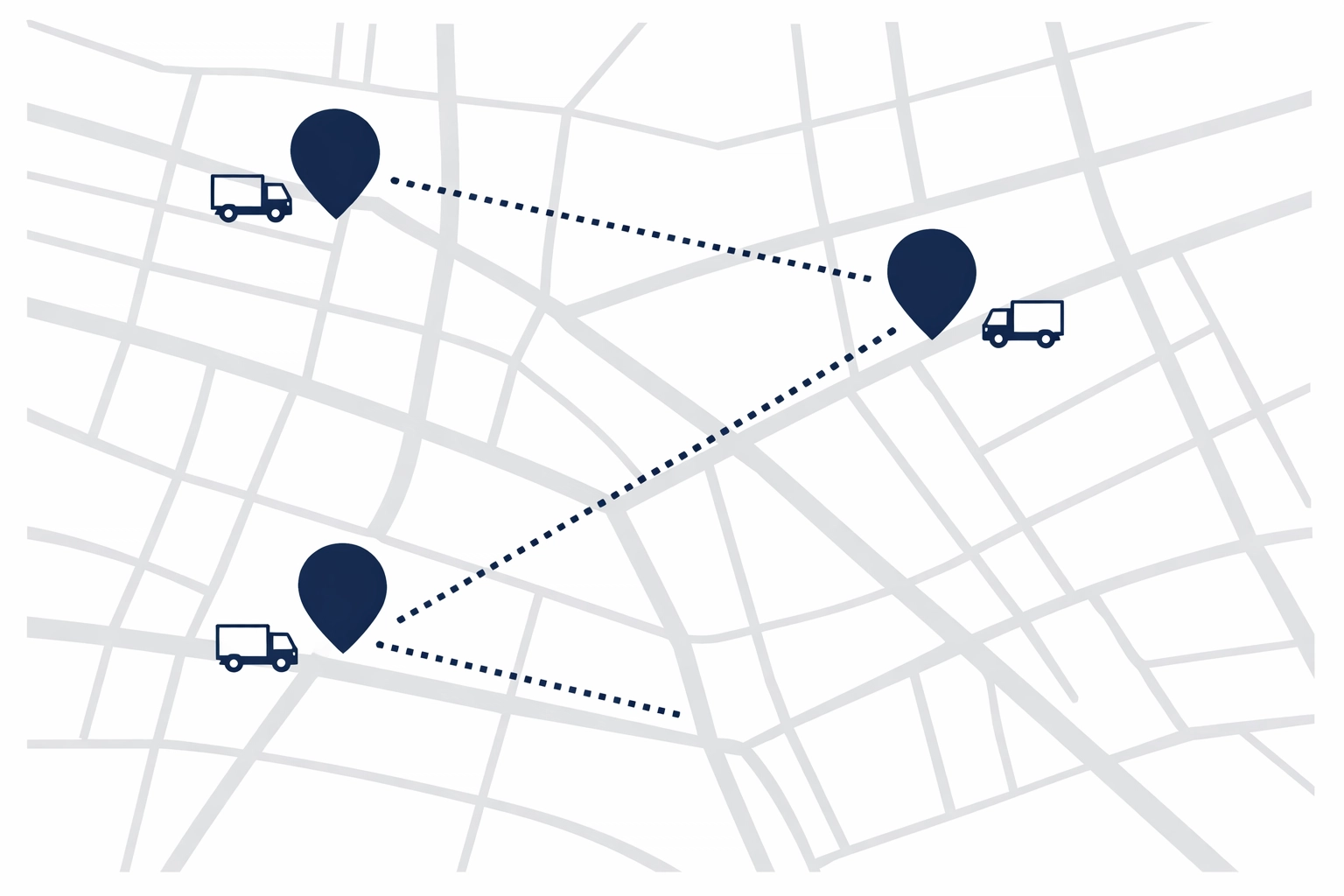
This visibility eliminates the coordination gap that costs growing teams hours every week. Your dispatcher isn't playing phone tag with techs. Your techs aren't waiting for callbacks about their next job. The information flows automatically.
Job Completion Without the Paperwork Shuffle
Here's where most field service operations fall apart: the handoff from completed work to billing.
Jobber keeps this process moving with built-in time tracking and job completion workflows. Techs can clock in when they arrive, use checklists to ensure nothing gets missed, and mark jobs complete with photos and notes: all from their phone.
The moment a job is marked complete, it triggers the next step in your workflow. No paperwork sitting on a truck seat overnight. No office manager hunting down details three days later. The information is captured in real-time and ready for invoicing.
Customer-facing checklists create accountability and transparency. Your customers see exactly what work was performed, building trust and reducing disputes before they start.
Invoicing and Payment Without the Wait
This is where Jobber truly closes the gap.
Invoices can be generated automatically when jobs are completed, or sent manually after review: your choice. Either way, customers receive professional invoices by email or text with a direct link to pay online.

The payment friction disappears. Customers can pay by credit card, ACH, or set up autopay for recurring services. Your techs can even collect payment on-site using mobile card readers. Every payment option reduces the "I'll pay you later" delay that kills cash flow.
For recurring service businesses (think HVAC maintenance plans or regular lawn care), Jobber's automated billing takes the entire invoice-to-payment cycle off your plate. The system charges cards on schedule, sends receipts automatically, and handles failed payments with retry logic.
The Systems-for-Revenue Connection
At Sentric Group, we talk constantly about building systems that generate revenue, not just track it. Jobber fits directly into that philosophy.
A dispatch-to-invoice gap isn't just an operational problem: it's a revenue problem. Every day an invoice sits unsent is a day you're not getting paid. Every missed follow-up is a customer who might book with a competitor next time. Every piece of lost job information creates friction that slows your entire operation.
Jobber eliminates those friction points through automation and integration. The system doesn't just organize your work: it accelerates your cash cycle.
When your proposal-to-payment workflow runs smoothly, you can take on more jobs without adding administrative overhead. Your team spends less time on paperwork and more time on revenue-generating work. Your cash flow improves because customers pay faster.
That's the Systems-for-Revenue framework in action: using the right tools to remove bottlenecks, accelerate workflows, and create capacity for growth.
Who Jobber Works Best For
Jobber shines brightest for specific types of operations:
Growing residential service businesses in HVAC, plumbing, electrical, cleaning, landscaping, and similar trades. If you're serving homeowners and need quick proposal generation and payment collection, Jobber delivers.
Teams transitioning from manual systems who need simplicity above all else. If you're currently running on spreadsheets, paper schedules, and phone calls, Jobber won't overwhelm you with features you don't understand.
Businesses that value customer experience and want professional-looking proposals, automated communications, and easy payment options. Jobber makes you look polished even if you're a three-person operation.
Operations that need mobile-first functionality because your team lives in trucks, not offices. Everything in Jobber works seamlessly on phones and tablets.
What to Watch Out For
No platform is perfect for everyone. Jobber has limitations worth knowing upfront.
If you're running complex commercial projects with detailed job costing requirements, you might outgrow Jobber's capabilities. The platform focuses on simplicity, which means some advanced features found in enterprise systems aren't available.
Businesses with extensive inventory management needs may find Jobber's inventory tools basic. It tracks parts and materials, but it's not a full warehouse management system.
And if you need deep integration with specialized accounting platforms beyond QuickBooks or Xero, you might run into limitations.
But for the right business: that 1-10 person team focused on residential services: these limitations rarely matter. You're getting what you actually need without paying for complexity you'll never use.
Building Systems That Actually Work
You're past the startup phase. You've proven your services work. Now you need systems that support growth instead of creating new bottlenecks.
Jobber closes the dispatch-to-invoice gap by connecting field work to payments in a way that feels natural, not forced. Your team can focus on delivering great service while the system handles the coordination, documentation, and billing that used to eat up your afternoons.
That's what good systems do: they work invisibly in the background, removing friction and creating space for your business to grow.
Before you add another truck or hire another tech, make sure your operational systems can handle the volume. The right platform eliminates chaos before it starts.
About Sentric Group
We help home services businesses build operational systems that drive revenue growth. From software selection to workflow design, we focus on eliminating the bottlenecks that keep you working in your business instead of on it. Learn more at sentricgrp.com.