
Published: February 17, 2026
Author: Sentric Group
You answered the emergency call at 11 PM. Dispatch took the details. You promised someone would follow up first thing in the morning.
By 9 AM, the lead called your competitor.
This happens more often than most plumbing companies want to admit. Not because your team doesn't care: but because manual follow-up systems break down when volume picks up. One missed text, one forgotten callback, one lead that slips through during a busy morning, and you've lost a $2,500 job.
The fix isn't hiring more people to make more calls. It's automating the follow-up process so no lead ever waits for a human to remember them.
Speed Wins the Job: Every Time
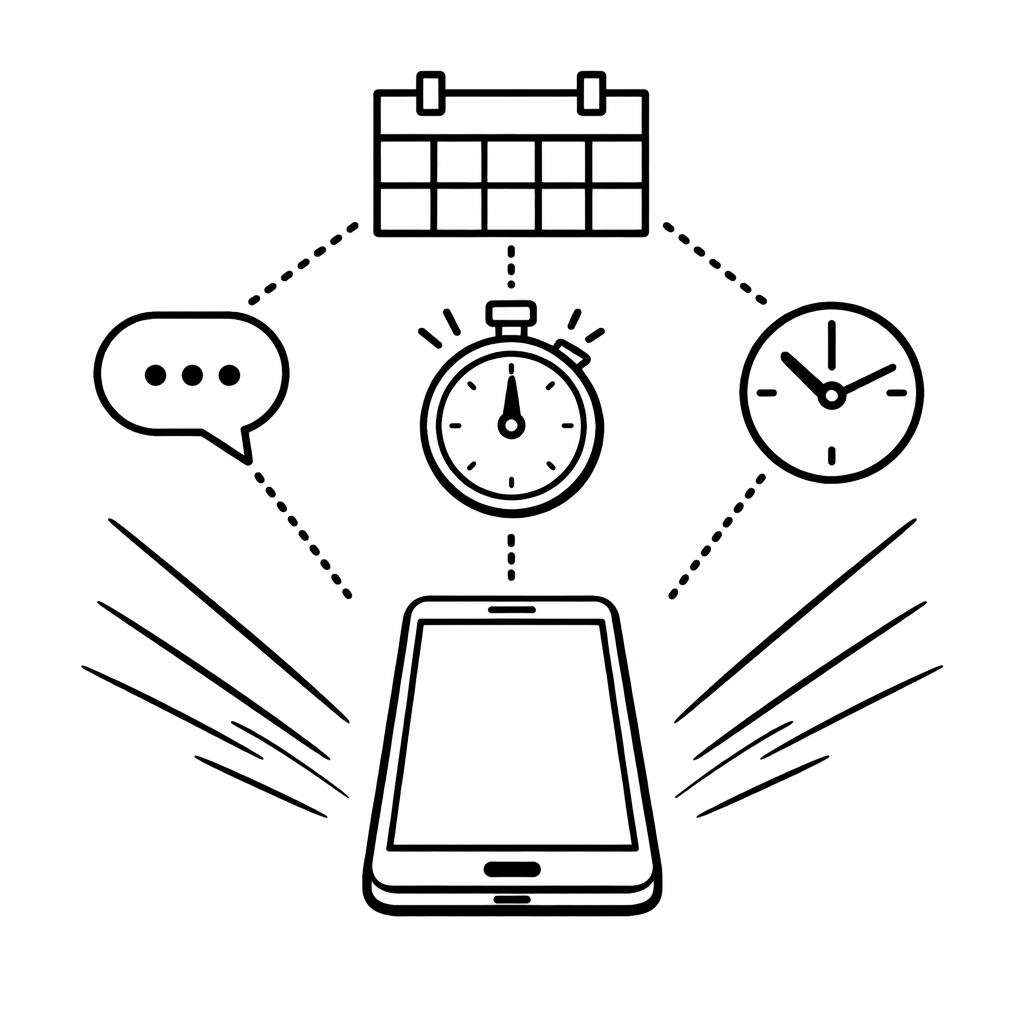
When someone has a burst pipe flooding their basement, they're calling multiple plumbers. The first company that responds with real information: not a generic voicemail: gets the job.
The data backs this up: responding within five minutes makes you 21 times more likely to convert that lead compared to waiting even 30 minutes. For emergency plumbing work, that window is even tighter. Most homeowners make a decision within the first 10 minutes of reaching out.
If your follow-up process relies on someone manually checking voicemails, logging details into a spreadsheet, and calling back during business hours, you're already behind. Competitors with automated systems are booking those jobs before your team even sees the lead.
The After-Hours Problem
Most plumbing emergencies don't happen between 9 and 5. They happen at 2 AM when a water heater fails. Or on Sunday afternoon when a toilet overflows. Or late Friday evening right before a family event.
These are your highest-value calls. Emergency work commands premium rates, and customers are desperate for help. But if your intake process shuts down outside business hours, you're leaving money on the table every single week.
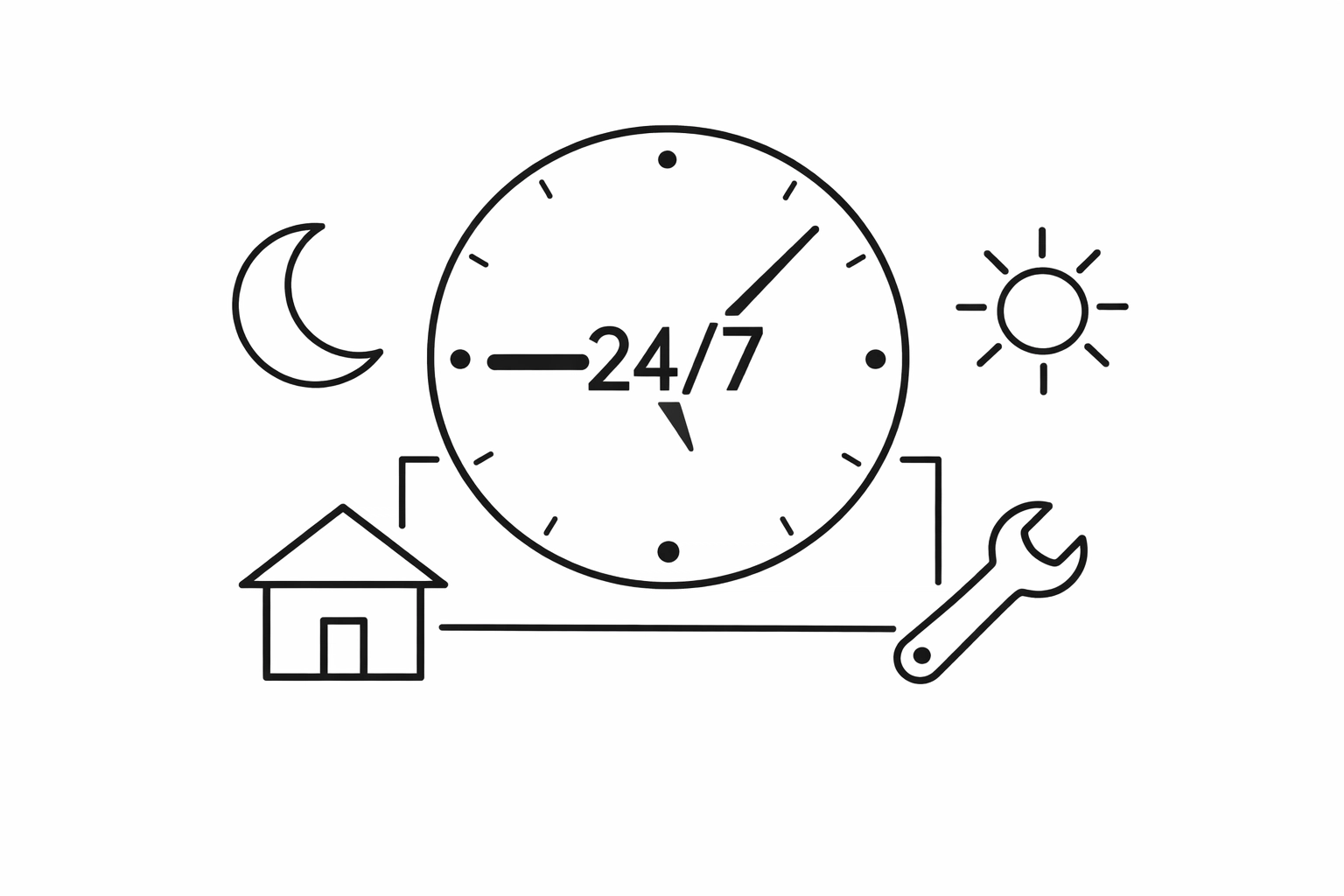
Automation solves this. AI-powered intake systems can answer calls 24/7, screen for urgency, collect critical job details (location, type of emergency, access instructions), and automatically schedule your first available tech: all without waking up your office manager.
When your team arrives Monday morning, the leads are already triaged, prioritized, and booked. No scrambling. No callbacks. Just a clean schedule and a full day of billable work.
Stop Playing Phone Tag with Hot Leads
Traditional follow-up goes something like this: Lead calls. Office takes a message. Dispatcher logs it. Someone calls back. Lead doesn't answer. You leave a voicemail. Lead calls back. You're on another call. Repeat.
By the time you connect, the lead has already booked with someone else or decided to "wait and see" if the problem gets worse.
Automated follow-up systems eliminate the back-and-forth. As soon as a lead submits a form or calls your number, they receive an instant confirmation via text or email. The message includes:
- Confirmation that you received their request
- Expected response time
- Link to book directly into your calendar
- Emergency contact information if it's urgent
This immediate acknowledgment keeps the lead engaged with your company instead of shopping around. And for non-emergency jobs, automated reminders keep your estimate top-of-mind without manual work from your team.
Track Every Lead, Lose Nothing
Here's the uncomfortable truth: most plumbing businesses have no idea how many leads they're losing.
Calls come in through multiple channels: website forms, Google ads, Facebook messages, phone calls, referrals. Some get logged into your CRM. Some get written on sticky notes. Some get mentioned in passing during a team meeting and never followed up on.
Without a unified system tracking every lead from first contact to closed job, you're guessing. And guessing costs money.
CRM integration with automated follow-up tools creates a single source of truth. Every inbound lead: no matter where it comes from: automatically enters your system, gets tagged by source and urgency, and triggers the appropriate follow-up sequence.
Your team can see at a glance:
- Which leads are fresh and need immediate attention
- Which estimates are pending and need a nudge
- Which past customers are due for maintenance reminders
- Which marketing channels are generating actual revenue
This visibility doesn't just improve follow-up speed. It helps you make smarter business decisions about where to invest your marketing budget and which leads deserve your team's immediate attention.
Automate the Entire Customer Journey
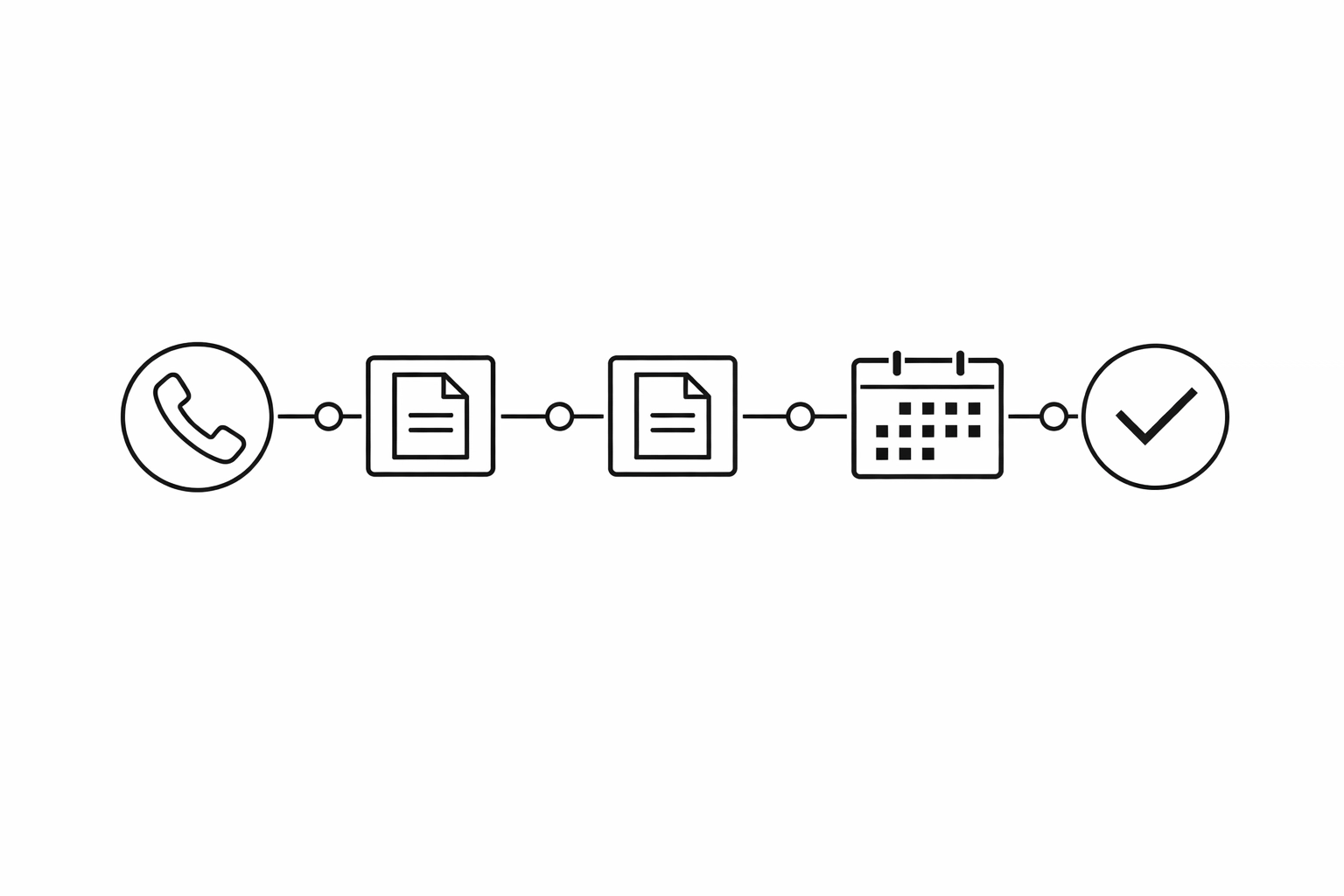
Follow-up automation shouldn't stop once you book the job. The best systems guide customers through the entire service experience without constant manual touches from your team.
Before the appointment: Automated reminders via text and email reduce no-shows. Include the technician's name, photo, and expected arrival window so customers know what to expect.
During the job: Real-time updates keep customers informed if your tech is running early or late. This simple courtesy dramatically improves customer satisfaction and reduces "where are you?" calls to dispatch.
After service: As soon as the job is marked complete, the system automatically sends the invoice, thanks the customer, and requests a Google review. These post-service automations build your reputation and generate repeat business without anyone lifting a finger.
The result? Your team focuses on actual plumbing work instead of administrative busywork. And your customers experience a level of professionalism that makes them want to refer you to their neighbors.
The ROI Is Immediate
Companies that implement automated follow-up systems typically see a 30% increase in lead conversion rates within the first month. That's not a long-term projection: that's immediate revenue impact.
The math is straightforward: If you're currently converting 40% of your inbound leads, automation bumps you to 52%. On 100 leads per month at an average job value of $800, that's an additional $9,600 in monthly revenue. Over a year, that's $115,200.
Beyond revenue, automation saves time. Most plumbing businesses report saving 10+ hours per week in administrative work once follow-up processes are automated. That's 10 hours your office manager can spend on higher-value tasks instead of playing phone tag with leads.
Your Competitors Are Already Moving
The plumbing companies winning market share in 2026 aren't the ones with the most trucks or the biggest Yellow Pages ad. They're the ones who respond fastest, follow up consistently, and deliver a seamless customer experience from first call to final invoice.
Manual follow-up systems can't compete with that level of consistency. Humans forget. Humans get busy. Humans have bad days.
Automation doesn't.
Are your follow-up systems costing you leads? You're not losing jobs because your plumbing work isn't good enough: you're losing them because your systems can't keep up with demand.
Before you spend another dollar on marketing to generate more leads, fix the leak in your follow-up process. Sentric Group helps plumbing companies integrate CRM systems, automate lead intake, and build workflows that convert more opportunities without adding headcount.
Let's plug the leak. Visit sentricgrp.com/systems-audit to see where your current process is losing revenue: and how to fix it.
Sentric Group
Business Operations & Systems Consulting
Workflow automation, CRM integration, and process design for home service companies ready to scale without the chaos.