
You just hired a licensed electrician. Great news, right? Except now you're looking at 3-4 weeks of shadowing, repeated explanations, and hoping they remember your panel labeling system. Meanwhile, you're paying them full rate to watch someone else work.
Most electrical contractors accept this as normal. But here's the truth: if you need a month to onboard someone, you don't have a training problem. You have a systems problem.
With proper SOPs (Standard Operating Procedures), you can get a qualified electrician field-ready in a single morning. Not learning your business philosophy. Not absorbing your company culture. Actually ready to run service calls, pull permits, and represent your company professionally.
Here's how it works.
Why Traditional Onboarding Takes Forever
The typical electrical business onboarding looks like this:
- Week 1: Ride along with your lead tech, watch how he does things
- Week 2: More ride-alongs, start handling simple tasks
- Week 3: Run a few calls solo, but call for help constantly
- Week 4: Maybe competent enough to trust with a real customer
The problem isn't the new hire. It's that you're transferring knowledge verbally, one situation at a time. Your lead tech explains how to quote a panel upgrade. Then how to document it. Then how to order materials. Then how to schedule the follow-up. Every step requires explanation, demonstration, and supervision.
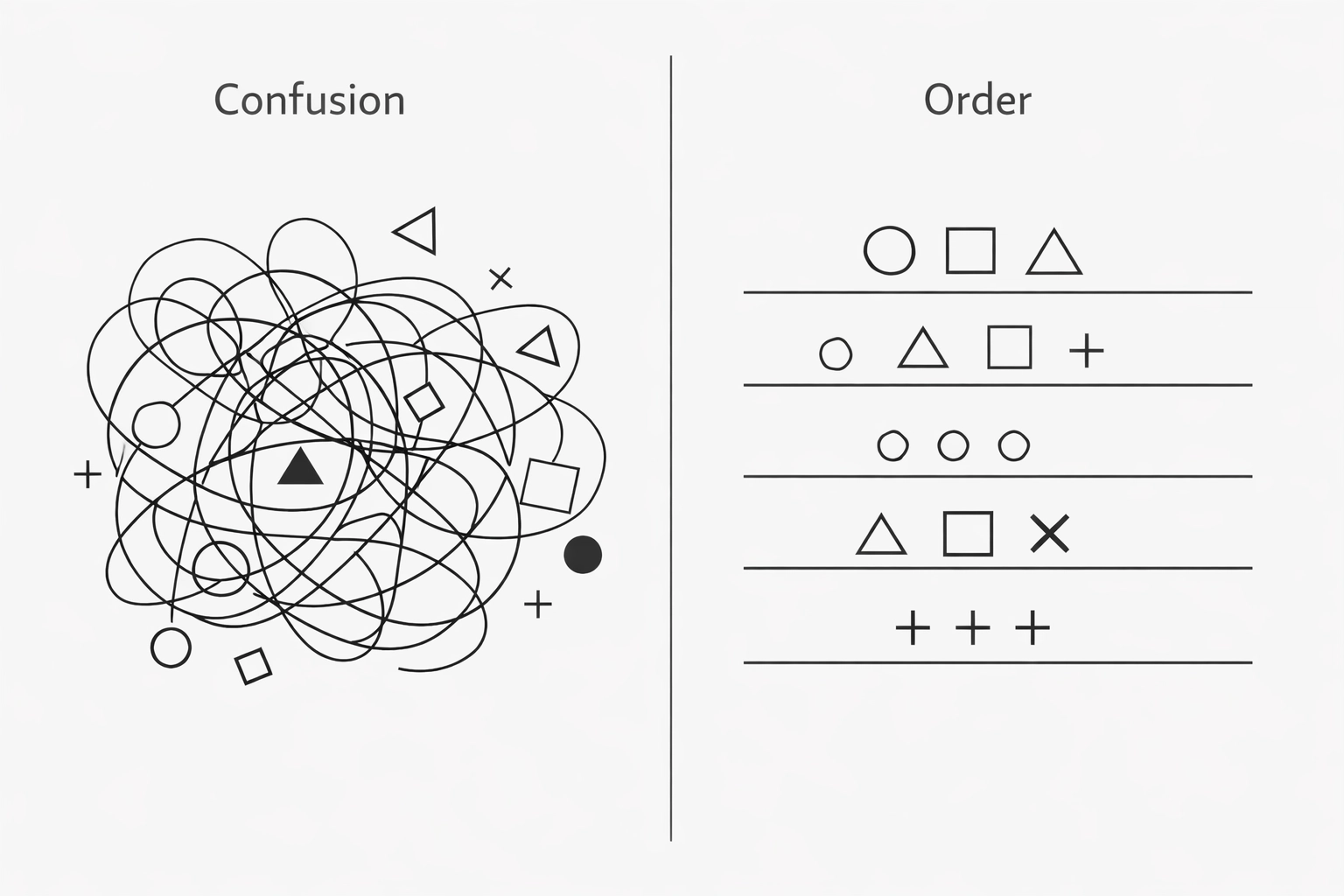
This approach has three major costs:
- Your best technician becomes a full-time teacher instead of generating revenue
- The new hire learns inconsistently depending on which situations they happen to encounter
- Quality varies wildly because there's no standard they're measured against
You're essentially building the airplane while flying it. Every single time you hire someone.
The 4-Hour Onboarding Framework
Here's what changes when you build SOPs first:
Hour 1: Safety, Tools, and Company Standards (30 minutes)
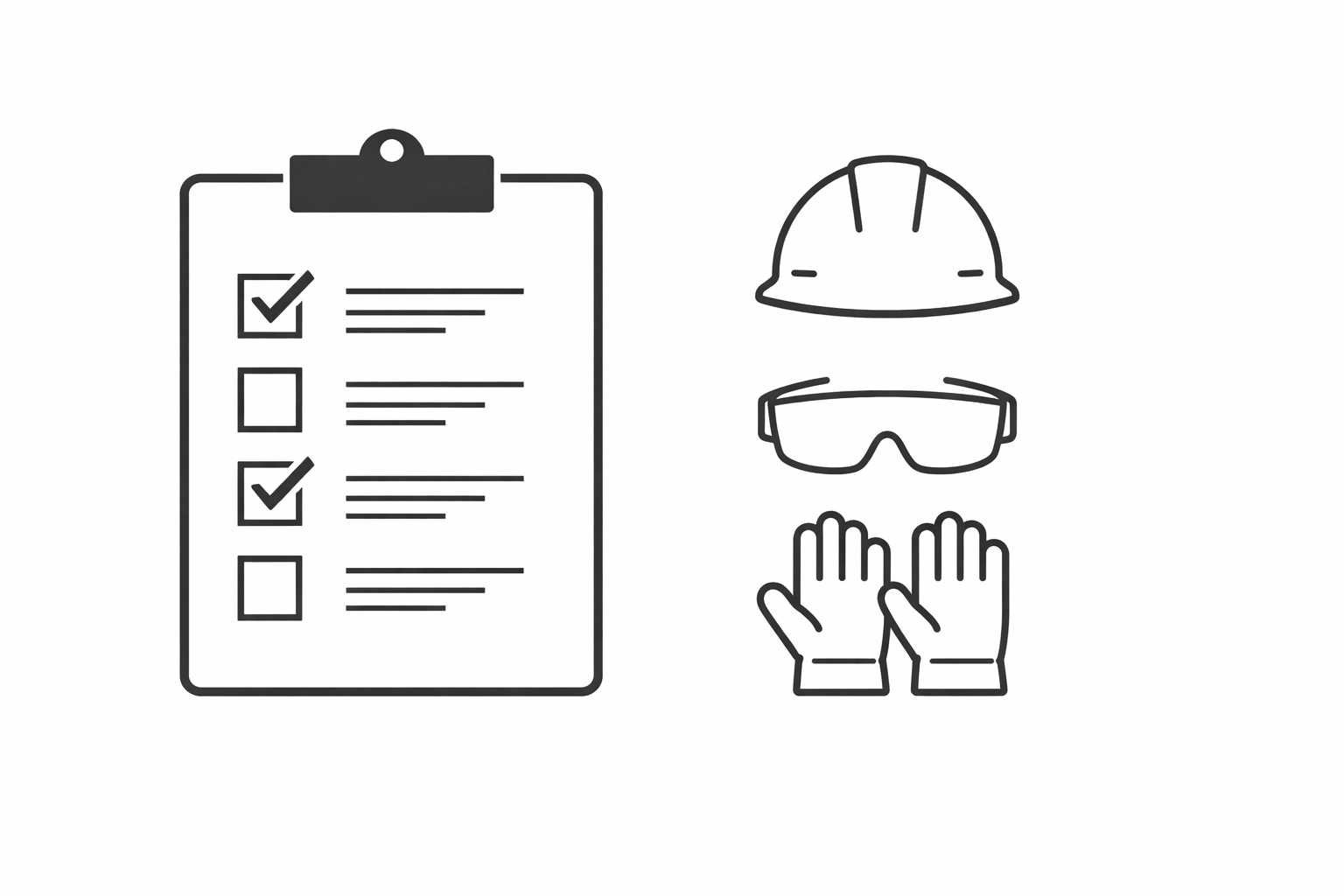
Before the new electrician touches a single job, they review your safety protocols, tool inventory checklist, and company standards document. This isn't a lecture, it's a written checklist they can reference forever.
Your safety SOP covers:
- PPE requirements for different job types
- Lockout/tagout procedures
- How to identify and escalate unsafe conditions
- Vehicle inspection protocols
Your tools checklist includes:
- Standard truck inventory by job category
- Tool maintenance schedules
- Replacement procedures
Your company standards document defines:
- How you label panels (because yes, everyone does it differently)
- Your wire color conventions
- How you leave a job site
- Photo documentation requirements
Key difference: They're reading documented procedures, not trying to remember what someone told them three days ago.
Hour 1: Systems Access and Admin (30 minutes)
The second half of hour one handles all the administrative setup that usually drags on for days:
- Create their account in your dispatch system
- Add them to your material ordering platform
- Set up their company email and phone access
- Walk through your invoice and payment collection process
- Show them where all SOPs live (and how to search them)
This takes 30 minutes because you've already documented every step. You're not explaining your philosophy or justifying your choices. You're giving them access and showing them the manual.
Hour 2: Customer Interaction and Quoting
This is where most electrical businesses lose weeks. You can't shadow every customer conversation, so new hires learn through trial and error (expensive error).
Instead, your SOPs cover:
Initial customer contact scripts:
- How you answer the phone
- Questions to ask before dispatching
- How to set expectations about timing and pricing
Service call procedures:
- Customer greeting and introduction sequence
- How to diagnose and explain issues in plain English
- Your standard pricing structure for common jobs
- When to call for backup vs. handling it yourself
Quoting templates:
- Flat-rate pricing sheets for standard jobs
- How to calculate custom work
- Upsell opportunities and when to mention them
- Approval and documentation requirements
The new electrician isn't learning your sales style. They're following a proven system that already works.
Hour 3: Common Job Walk-Throughs
Your third hour covers the meat of the work: actually running electrical jobs. But here's the key: you're not explaining every possible scenario. You're walking through your 6-8 most common job types using documented procedures.
For a residential electrical business, this might include:
- Circuit breaker replacements
- Outlet and switch installations
- Ceiling fan installations
- GFCI upgrades
- Panel assessments
For each job type, your SOP includes:
- Material list and tool requirements
- Step-by-step installation procedures
- Code compliance checkpoints
- Quality control checklist
- How to document and photograph the completed work
The difference: They're learning your standardized approach to each job category, not watching someone improvise.
Hour 4: First Supervised Call
The final hour is a live job with supervision. But unlike traditional ride-alongs, this isn't about watching. The new electrician runs the call while you observe and provide immediate feedback.
They handle:
- Customer greeting
- Problem diagnosis
- Quoting (with your approval)
- The actual work
- Payment collection
- Job documentation
You're checking their execution against the SOPs they just reviewed, not teaching from scratch.
After this first supervised call, you both know exactly where they're solid and where they need more reference time. Most importantly, they have the SOPs to study independently.
The Business Impact
When you compress onboarding from four weeks to four hours, three things happen immediately:
Your revenue capacity increases. Your lead tech isn't stuck training: they're back to running profitable jobs. Your new hire starts generating billable hours on day one instead of week five.
Quality becomes consistent. Every electrician follows the same procedures, labels panels the same way, quotes using the same structure. Your customers get the same experience regardless of who shows up.
Scaling becomes possible. You can hire two electricians in the same week without your operations collapsing. Each new hire costs you four hours of training time, not a month of hand-holding.
The math is straightforward: if your lead tech bills $150/hour, every week spent training instead of working costs you $6,000 in lost revenue. A four-week onboarding period costs $24,000 per new hire: and that's before calculating the new hire's wages during that learning period.
Four-hour onboarding costs you $600.
What This Actually Requires
You're not creating a 500-page employee handbook. You need focused SOPs that cover:
- Safety and compliance (the non-negotiables)
- Your top 8-10 job types (the work you do every day)
- Customer interaction standards (how you want to be represented)
- Administrative procedures (how the business side works)
Most electrical businesses can build this documentation in 2-3 weeks of focused work. You're essentially writing down what your best technicians already do: capturing the tribal knowledge before it walks out the door.
The alternative is continuing to lose weeks per hire, hoping new electricians figure things out through osmosis, and accepting inconsistent quality as the cost of growth.
Your Next Hire
You've built a solid electrical business. You have steady work, good customers, and a reputation for quality. But every time you hire someone new, it feels like starting over: explaining the same things, correcting the same mistakes, wondering if they'll ever really get it.
Before you start the next hiring process, build the systems that make training instant instead of endless.
That's exactly what we do at Sentric Group. We work with electrical contractors to document procedures, create field-ready SOPs, and build onboarding systems that turn qualified electricians into productive team members in hours, not weeks.
Your next hire doesn't need a month of hand-holding. They need a system.
Sentric Group – Operations consulting and systems integration for home service businesses. We turn operational chaos into documented procedures that actually work in the field.