
Five trucks is the sweet spot. You know every driver by name, you can manage dispatch from your phone, and you've got a mental map of who's where at any given time. Your business is profitable, demand is strong, and you're ready to grow.
But tripling your fleet isn't just about buying ten more trucks. It's about building the operational infrastructure that keeps your business running when you can't personally oversee every job, every route, and every customer interaction.
Here's what actually needs to be in place before you scale from 5 to 15 trucks: and why the order matters more than you think.
The 5-Truck Trap: What Got You Here Won't Get You There
At five trucks, you're running on founder intelligence. You know which driver works best with which customers. You can eyeball the schedule and make route adjustments on the fly. When a truck breaks down, you personally call the backup plan.
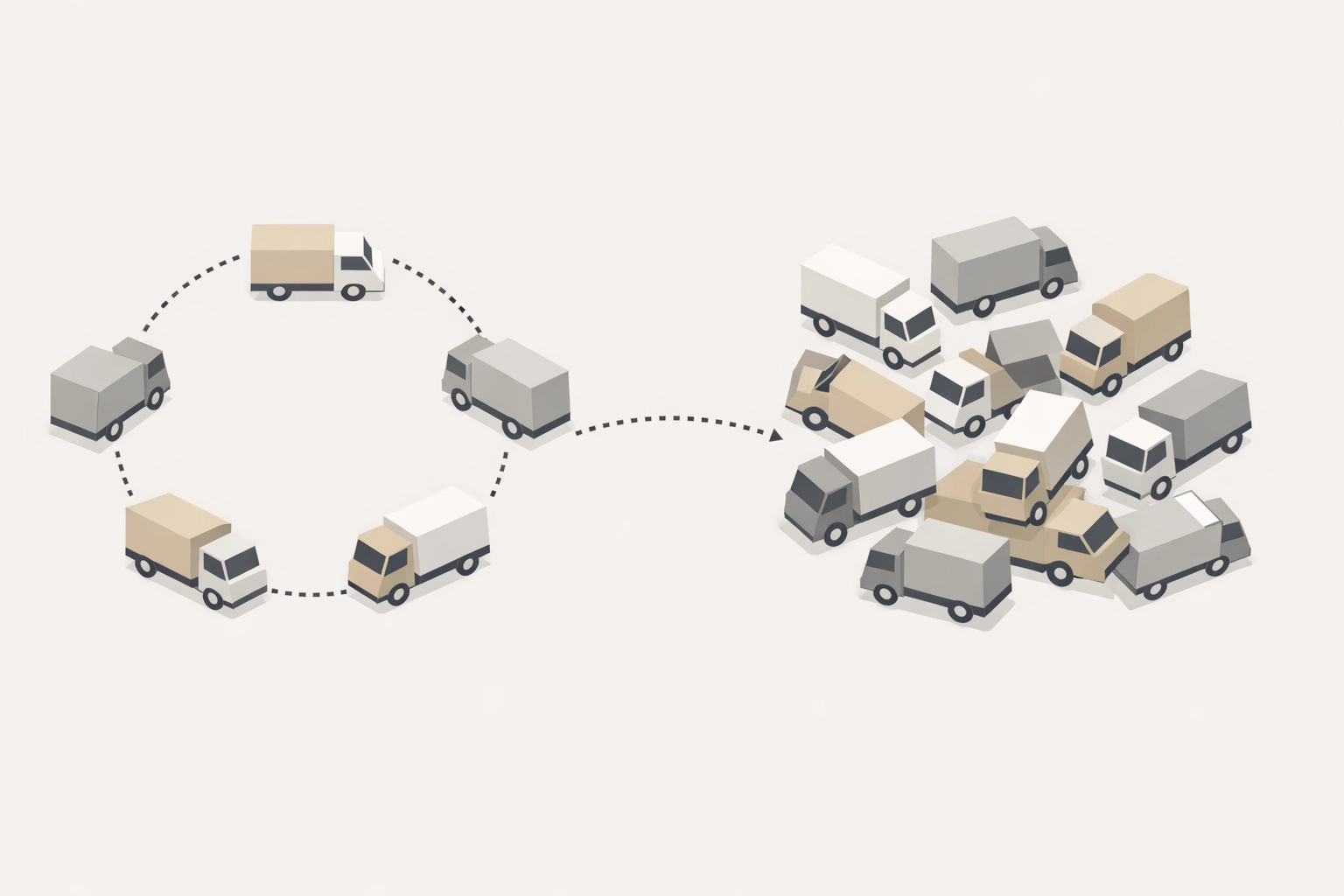
This approach stops working around truck seven or eight. Suddenly, you're spending more time putting out fires than running your business. Your profit per truck starts dropping because you're adding vehicles without adding operational capacity. Dispatch becomes chaos. Customer complaints increase. Your best drivers get frustrated because jobs aren't properly sequenced.
The difference between businesses that scale successfully and those that stall out at 8-10 trucks comes down to one thing: they built their infrastructure before they needed it, not after.
Infrastructure Before Expansion: The Right Sequence
The biggest mistake home service operators make is buying trucks first and figuring out systems later. That's backwards.
Your technology, processes, and team structure need to be ready to handle 15 trucks before truck number six arrives. Otherwise, you're building the plane while you're flying it, and every new truck compounds the operational chaos instead of contributing to profitability.
Think about it this way: if your current dispatch process requires you personally reviewing every job assignment, how will that work when you have three times the volume? It won't. You'll either become the bottleneck that slows everything down, or you'll start making rushed decisions that hurt efficiency.
The right sequence is: systems scale first, then fleet scales second.
The Technology Stack You Actually Need
Let's talk about the tools that make 15-truck operations manageable without adding 15 more hours to your workday.

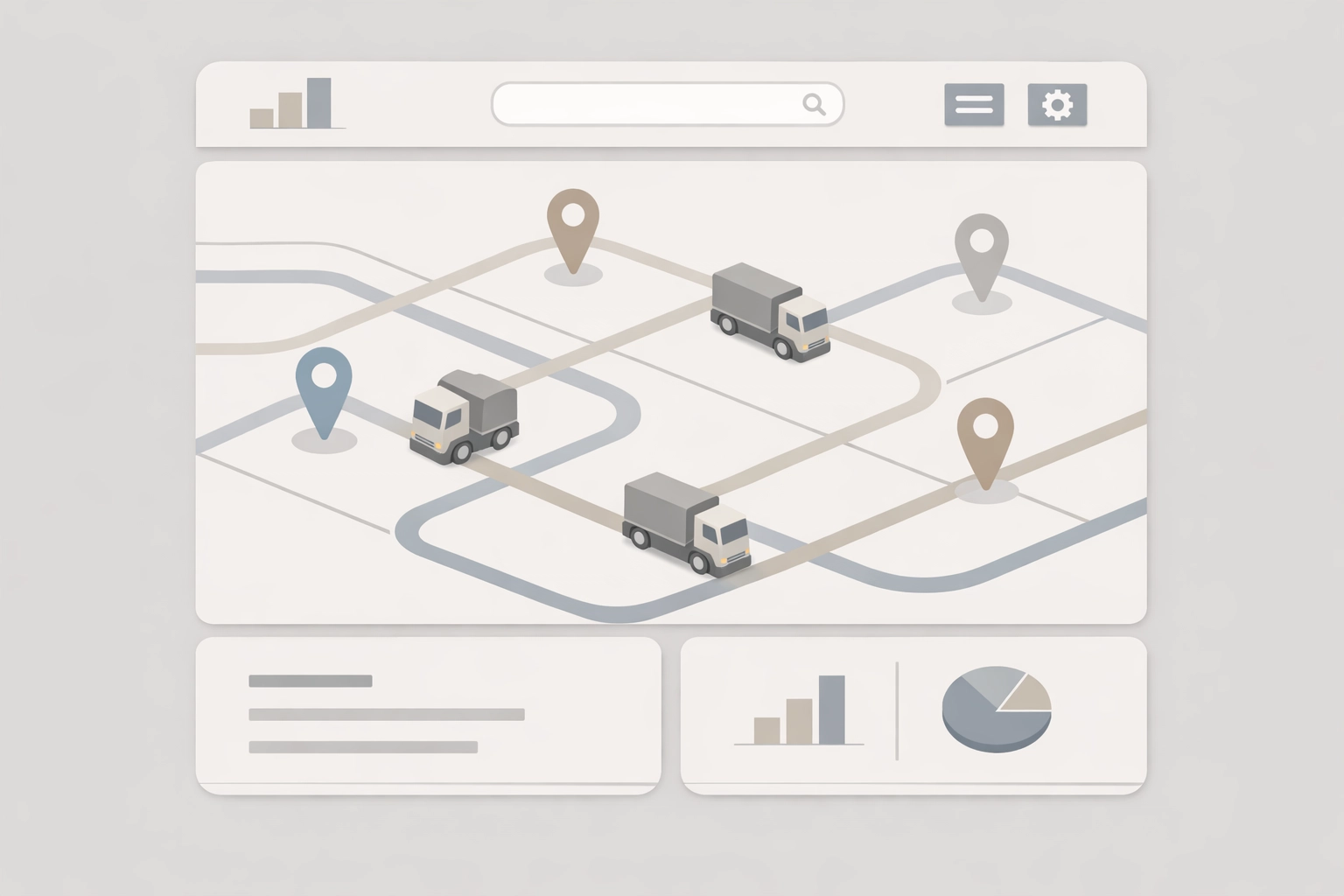
Fleet management and GPS tracking becomes non-negotiable at scale. You need real-time visibility into where every truck is, how efficiently routes are being run, and whether drivers are following the plan. This isn't about micromanagement: it's about having the data to optimize routes, reduce fuel costs, and give customers accurate arrival windows.
Dispatch and route optimization software replaces your mental routing system. The best systems integrate with your GPS data to automatically sequence jobs based on location, traffic patterns, and time windows. What used to take you 45 minutes every morning now takes five minutes of review and approval.
Electronic logging and compliance tools keep you on the right side of regulations without manual tracking. Hours of service compliance, vehicle inspections, and maintenance schedules all run automatically in the background.
Transportation management systems tie everything together: load assignments, shipment tracking, customer communication, and performance analytics in one place. When someone asks "where's my service call?", your dispatcher can answer in 15 seconds instead of making three phone calls.
The key principle here: automation pays for itself before you expand. If you implement these systems at five trucks, you'll see immediate efficiency gains. By the time you hit fifteen trucks, you'll wonder how you ever managed without them.
Process Standardization: From Tribal Knowledge to Playbooks
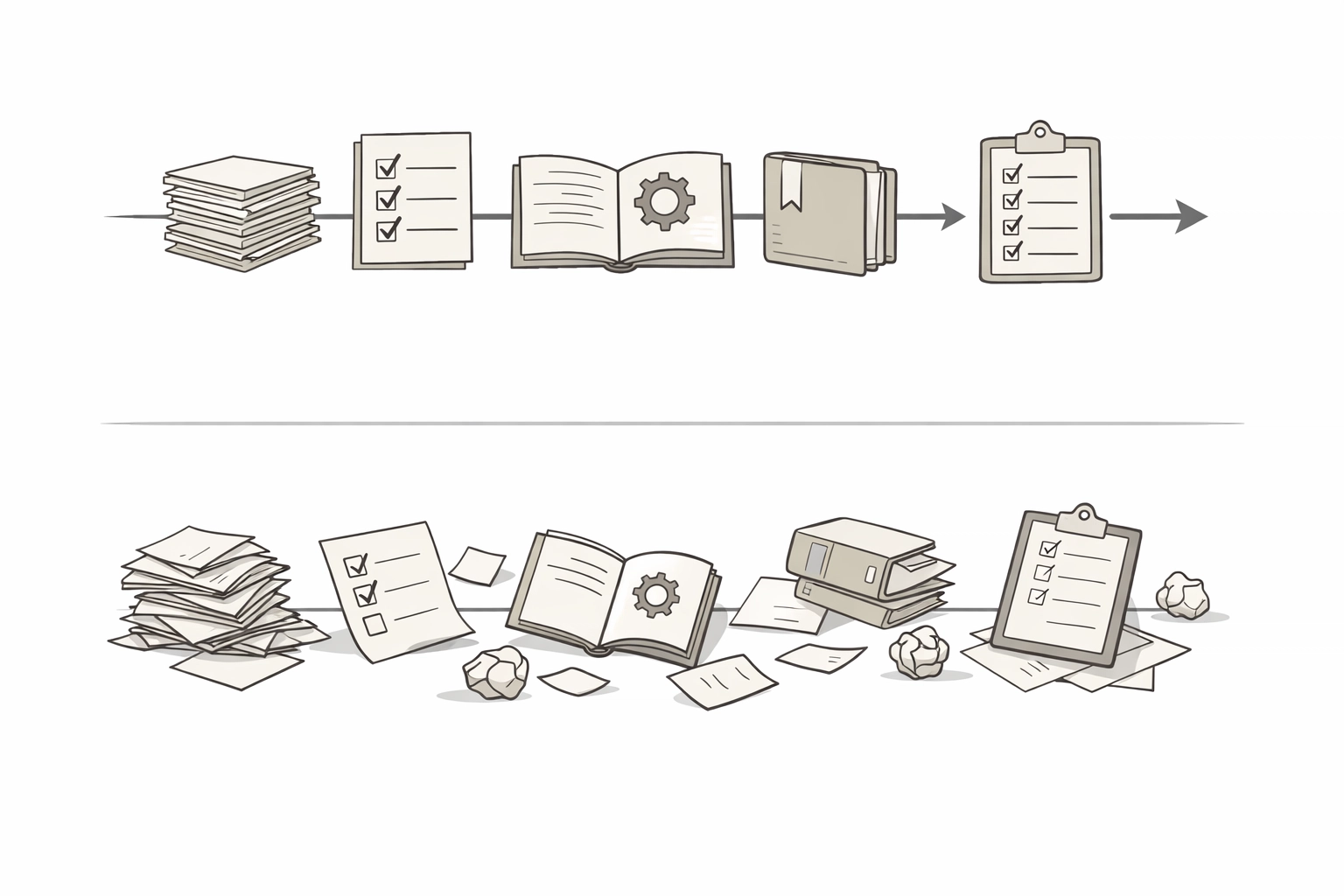
At five trucks, your best practices live in your head. At fifteen trucks, they need to live in documented playbooks that any team member can follow.
Standardized onboarding is where this matters most. Research shows that companies with documented onboarding processes get new trucks to fleet-average performance in 4-6 weeks. Companies without them? 4-6 months. That's the difference between a new truck being profitable in its first quarter versus dragging down your margins for half a year.
Your onboarding playbook should cover:
- Vehicle setup and equipment standards
- Driver training and safety protocols
- Route familiarization and customer service expectations
- Performance benchmarks and check-ins at week 1, 2, 4, and 6
Fuel management shifts from personal review to exception-based oversight. Set up fuel card systems with automated reporting, establish driver scorecards, and create alerts for unusual patterns. You shouldn't be reviewing every fuel receipt: you should be reviewing only the ones that fall outside normal parameters.
Maintenance scheduling moves from reactive to preventive. Every truck gets a maintenance schedule based on mileage and usage patterns. Automated reminders mean nothing slips through the cracks, and you can plan maintenance during slow periods instead of dealing with breakdowns during peak season.
The goal is to turn your expertise into systems that run without your constant attention. That's what creates management capacity that scales.
Staffing and Team Structure: Building Leverage
Tripling your fleet while keeping the same back-office team is a recipe for burnout and mistakes. Your staffing needs to scale proportionally with your operational complexity.
Dispatch capacity is usually the first bottleneck. One dispatcher can effectively manage 3-5 trucks. At 15 trucks, you're looking at 2-3 dispatchers working in coordination. They need clear territories, standardized communication protocols, and systems that make collaboration seamless.
Driver support and training becomes its own function. Someone needs to own new driver onboarding, ongoing performance coaching, and handling driver issues. This can't be an "in addition to" responsibility: it needs dedicated bandwidth.
Administrative and compliance support scales with complexity. More trucks mean more invoicing, more customer follow-up, more insurance documentation, and more regulatory compliance. Build this capacity before you feel the squeeze.
The counterintuitive truth: adding the right back-office roles makes your operation more profitable, not less. When skilled people are focused on their core responsibilities instead of constantly firefighting, efficiency goes up and costs per truck go down.
Financial Planning: The Real Cost of Growth
Let's talk numbers. Tripling your fleet requires more capital than just the truck purchase prices.
Your growth budget needs to account for:
- Vehicle acquisition: Purchase, lease, or financing costs
- Insurance scaling: Expect premiums to increase as fleet size grows
- Technology investment: Fleet management systems, dispatch software, tracking tools
- Facility expansion: More trucks need more parking and maintenance space
- Working capital: You'll need cash reserves to cover payroll and expenses while new trucks ramp up to profitability
The businesses that scale successfully plan for 12-18 months of transition period where profit margins compress slightly before the efficiency gains kick in. They're not surprised when truck 6-10 aren't immediately as profitable as trucks 1-5. They've budgeted for the ramp-up period.
They also time their growth strategically. They expand when demand forecasts are strong, when they have capital reserves, and when their core operations are stable: not when they're already stretched thin.
Making Growth an Efficiency Enabler
Here's the opportunity: done right, scaling from 5 to 15 trucks doesn't just triple your revenue: it improves your profit per truck.
How? Because the infrastructure you build to manage 15 trucks makes your entire operation more efficient. Better dispatch systems mean better route density. Standardized processes mean fewer mistakes and faster training. Automated reporting means you catch issues earlier.
The companies that hit 15 trucks and maintain strong margins are the ones that treated growth as an infrastructure project, not just a fleet expansion. They built systems first, hired for capacity second, and added trucks third.
You don't scale by doing what you're currently doing three times over. You scale by building the operational foundation that makes tripling your fleet manageable, measurable, and profitable.
Ready to build the infrastructure that supports real growth? At Sentric Group, we help home service operators audit their current systems, design scalable processes, and implement the technology that turns growth from a stress test into a competitive advantage. Let's talk about what 15-truck operations actually look like( before you buy truck number six.)