
You've seen the AI pitches. ChatGPT for proposals. Automated dispatching. Smart scheduling tools that promise to run your electrical business while you sleep.
Here's the problem: AI automates what you already do. If what you already do is chaotic, inconsistent, or lives entirely in your crew lead's head, automation just scales the mess faster.
Before you drop $500/month on another software promise, you need Standard Operating Procedures. Not the 40-page binder that nobody reads. The kind that actually gets used in the field, by your apprentices, your new hires, and your foremen who've been winging it for years.
The good news? You don't need months to build them. You need 48 hours and a framework that works.
The Chaos You're Automating
Most electrical contractors automate before they standardize. That means:
- Your dispatch system pulls from three different calendars
- Job costing happens in spreadsheets, QuickBooks, and someone's notebook
- Safety protocols vary by crew because "everyone does it a little different"
- New hires shadow someone for two weeks and hope they picked up the right habits
- Proposal generation takes 45 minutes because every project starts from scratch

Now add AI. What happens?
You automate inconsistency. Your scheduling tool doesn't know which jobs need two techs versus three. Your proposal generator copies last month's scope, including the mistake that cost you $1,200. Your safety checklist gets pre-filled with outdated codes because nobody updated the template.
You can't automate what you haven't standardized. And electrical work, where errors carry safety, legal, and financial consequences, is the last place you want to wing it.
Why Electrical Contractors Need SOPs More Than Most
Here's what separates electrical work from other trades: the cost of inconsistency is exponentially higher.
A plumber might redo a pipe fitting. Annoying, yes. But an electrical mistake? Code violations. Failed inspections. Injuries. Lawsuits. Jobs that should've taken four hours suddenly take eight because someone forgot to pull permits or misread the panel layout.
SOPs solve three critical problems for electrical businesses:
1. Safety and Compliance
Electrical codes aren't suggestions. Your SOPs document how your team handles arc flash boundaries, lockout/tagout procedures, grounding protocols, and the 47 other details that keep people safe and inspectors happy. When every crew follows the same process, you reduce risk across the board.
2. Knowledge Transfer
Your best journeyman is retiring. Your crew lead just accepted a job in another state. If their knowledge lives only in their heads, it leaves with them. SOPs capture the institutional knowledge that took years to build: so your next hire doesn't start from zero.
3. Profitability at Scale
When you hit 5+ trucks, you can't be on every job site. SOPs let you scale your standards, not your chaos. Jobs get quoted consistently. Material orders happen on time. Callbacks drop because everyone's following the same quality checklist.
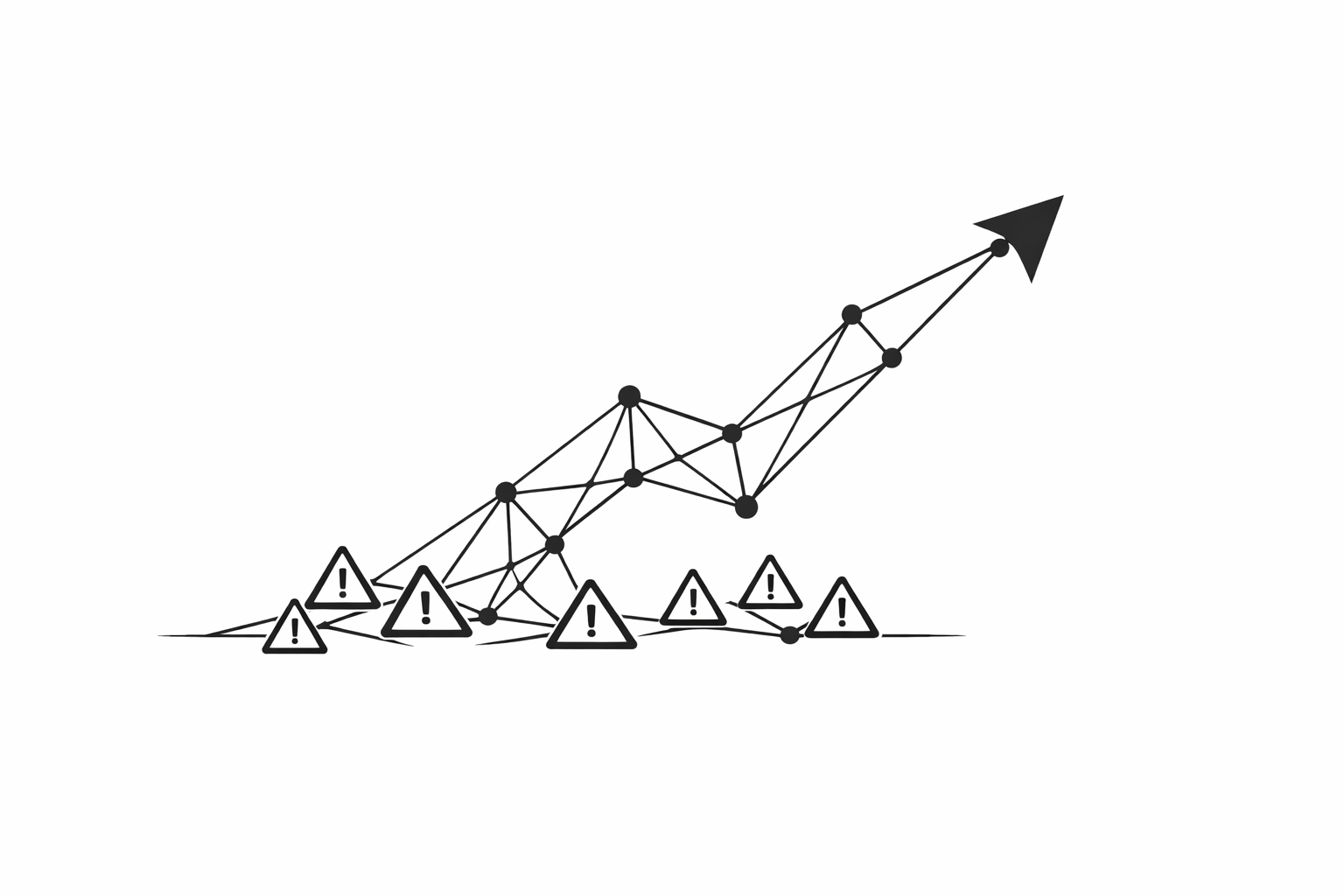
This isn't theory. Electrical contractors with documented SOPs report fewer safety incidents, faster onboarding (new hires productive in weeks, not months), and margins that don't evaporate when the owner isn't on-site.
The 48-Hour SOP Sprint (How It Actually Works)
You don't need a consultant to shadow your team for three months. You need a focused sprint that captures what's already working and documents it before you forget.
Here's the framework:
Hour 0-8: Identify Your Core Workflows
Pick the 5-7 processes that happen on every job or every week:
- Job intake and quoting
- Permit pulling and scheduling
- Site setup and safety protocols
- Material ordering and inventory checks
- Daily job documentation
- Invoicing and closeout
- Equipment maintenance
Don't overthink it. If your team does it repeatedly, it needs an SOP.
Hour 8-24: Map the Current State (Warts and All)
Walk through each process with the person who actually does it. Not how you think it happens: how it really happens.
Ask:
- What triggers this process?
- What tools or systems do you touch?
- Where do things usually go wrong?
- What would a new hire need to know?
Record everything in bullet points. No fancy formatting yet. Just capture the steps in order, including the workarounds and the "we know this is dumb but it works" parts.
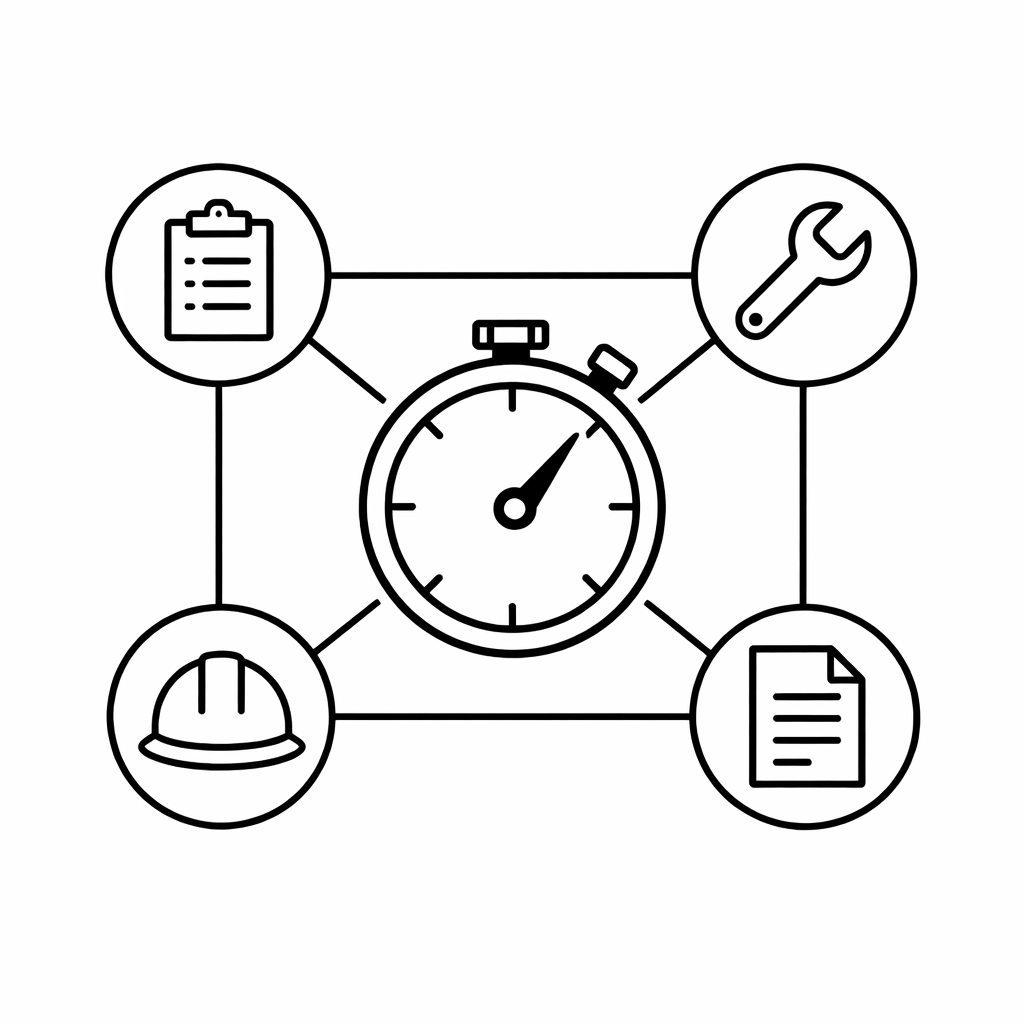
Hour 24-40: Standardize and Document
Now you clean it up. For each workflow:
- Write it in active voice: "Pull permit" not "Permit should be pulled"
- Break it into numbered steps a teenager could follow
- Add safety warnings where mistakes carry risk
- Include photos or diagrams for complex setups (panel layouts, wire routing, tool configurations)
- Note the expected time, tools needed, and who's responsible
Keep it simple. One page per SOP. If it's longer than that, you're overcomplicating it.
Hour 40-48: Test and Refine
Hand the SOP to someone who's never done the task. Watch them try to follow it. Where do they get stuck? What questions do they ask? That's where your instructions need work.
Run it by your most experienced tech. Did you miss a critical step? Document edge cases? Catch outdated code references?
Revise, approve, and distribute. You now have operational documentation that actually works.
How Sentric Group Maps the Workflow (Without the Guesswork)
Most consultants hand you a template and wish you luck. That's not helpful when you're trying to document 15 years of electrical knowledge while running jobs.
Here's how we do it differently:
We Start With Your Tools
You're already using ServiceTitan, Jobber, or some combination of QuickBooks and Google Sheets. We don't make you switch. We map your workflows around what you've already got: so your SOPs reflect reality, not theory.
We Focus on Bottlenecks First
Where do jobs stall? Permitting delays? Material shortages? Invoicing backlogs? We document the high-friction processes first because that's where SOPs deliver immediate ROI. Fix the bottleneck, then expand to everything else.
We Build for Field Use, Not Office Binders
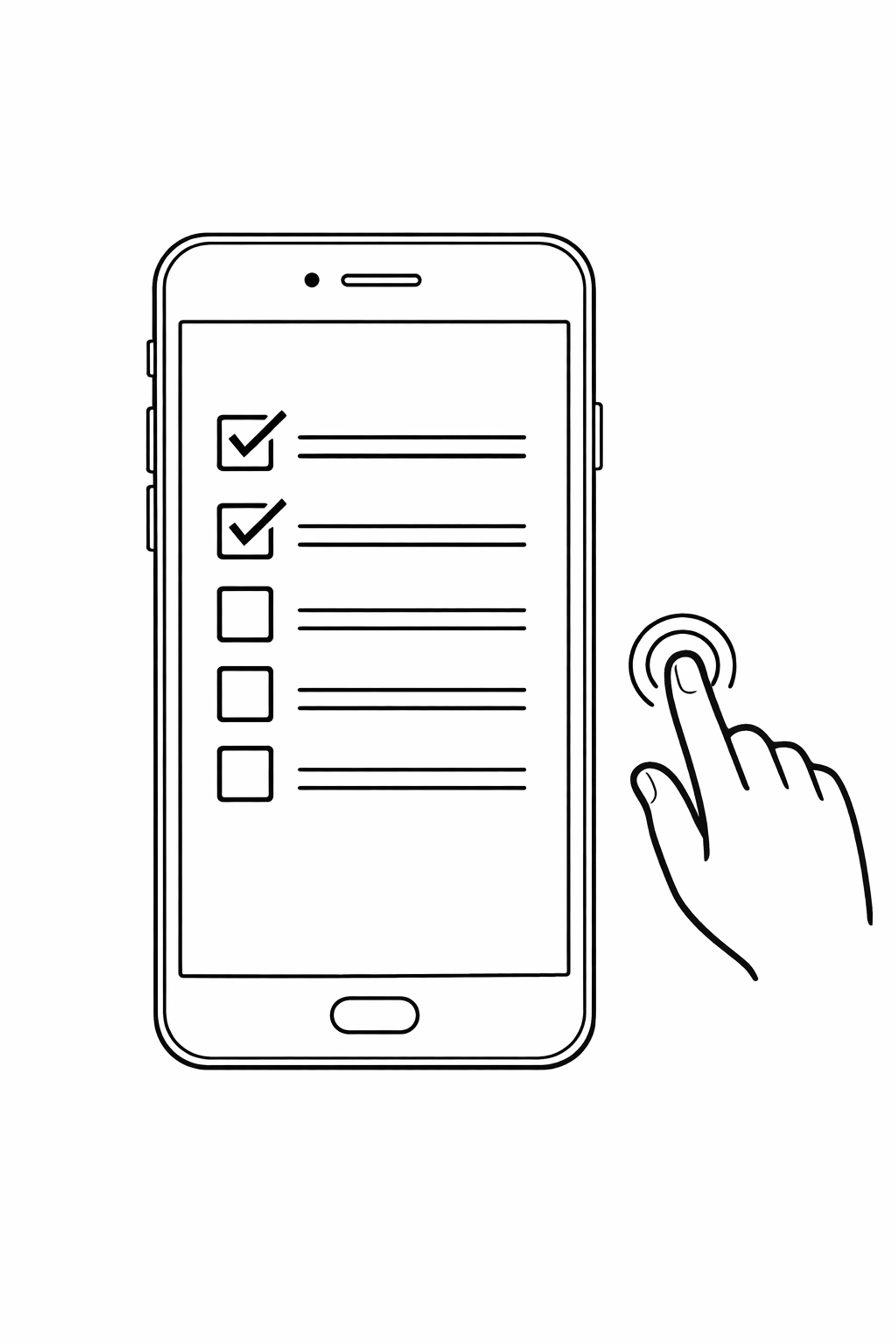
Your crew needs SOPs they can pull up on a phone between jobs. We create digital checklists, quick-reference guides, and step-by-step processes that live where your team actually works: not in a filing cabinet nobody opens.
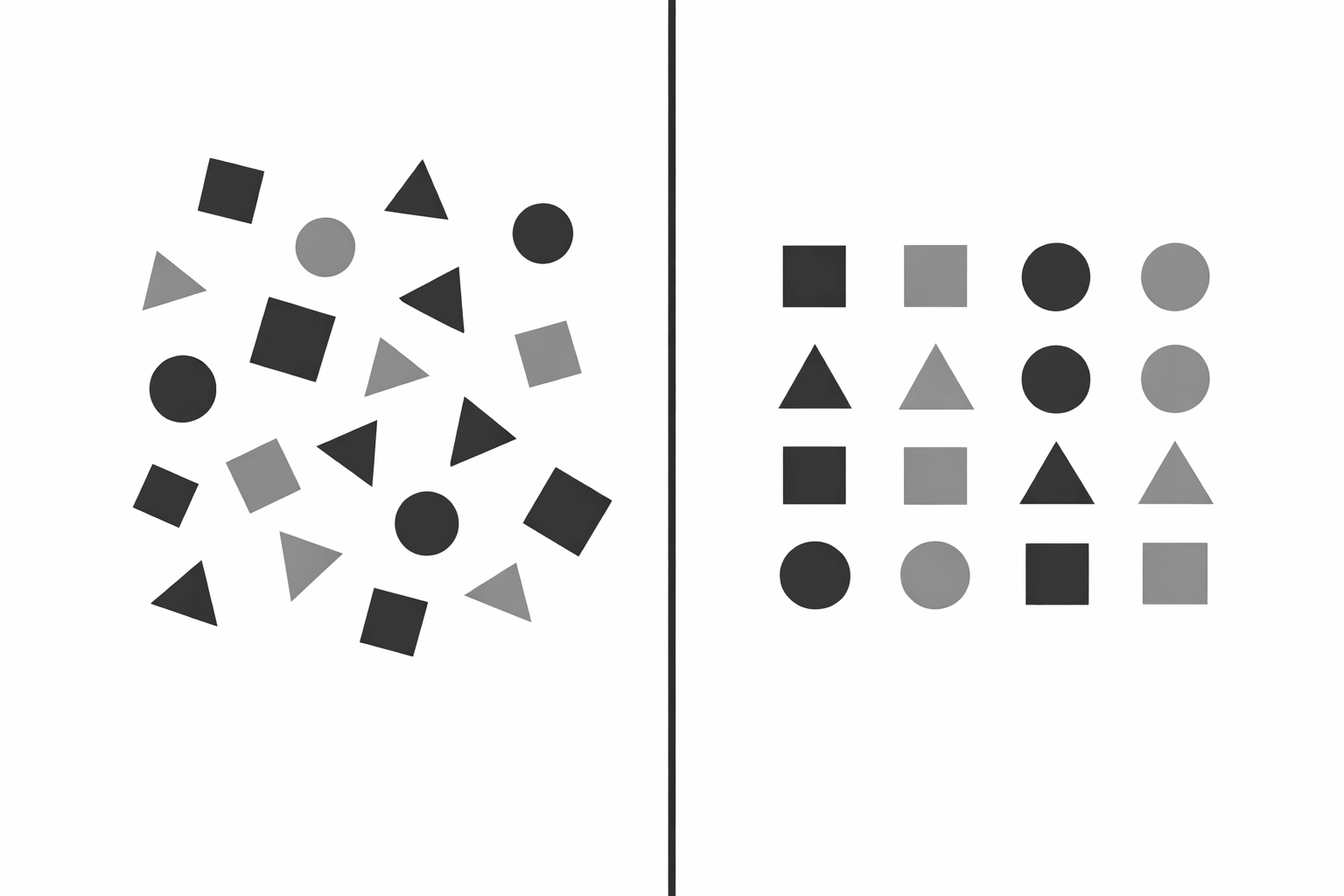
The result? Electrical contractors come to us with "chaos I can't scale" and leave with documented systems their teams actually follow. That's where the 98% reduction in admin comes from: not magic, just standardized workflows that don't require you to answer the same question 47 times.
What Happens After You Have SOPs
Here's where it gets interesting.
Once your processes are documented, standardized, and followed by your team, then you can automate. Now your AI proposal tool generates accurate quotes because it's pulling from standardized templates. Your scheduling software works because job durations are predictable. Your onboarding process takes days, not months, because new hires have clear instructions instead of tribal knowledge.
SOPs are the foundation. Automation is the multiplier.
But you can't multiply chaos and expect clarity.
The Real ROI of SOPs
Electrical contractors who implement SOPs report:
- Faster job completion: When everyone follows the same process, jobs take 15-20% less time on average
- Higher profit margins: Fewer callbacks, less rework, and accurate job costing mean you keep more of what you quote
- Easier scaling: Adding your 6th, 7th, and 8th truck doesn't require cloning yourself
- Lower insurance costs: Documented safety protocols and reduced incident rates make you less risky to insure
- Better team retention: Clear expectations and consistent training mean techs stick around longer
None of this requires expensive software or a six-figure consultant. It requires 48 hours of focused work and a willingness to document what you already know.
Ready to Build SOPs That Actually Work?
You've built a solid electrical business. Repeat customers. Good reputation. Jobs keep coming.
But you're hitting the ceiling where growth means chaos: unless you standardize first.
Before you automate, document. Before you scale, systematize. And before you spend another dollar on AI tools that promise to fix everything, make sure you're not just automating the mess.
Sentric Group helps electrical contractors map their workflows, document their processes, and build SOPs that actually get used in the field. Our Systems-for-Revenue framework turns operational chaos into scalable systems: usually in 48 hours, not 48 days.
Ready to stop winging it? Start with a Systems Audit and see where your bottlenecks really are.
Sentric Group
Business Operations Consulting for Home Services
We turn chaos into systems. Systems into revenue.