
You've built something real. Five trucks on the road, a team that mostly shows up, and enough work to keep everyone busy. Revenue is climbing. The phone rings. But here's what nobody tells you about hitting five trucks: this is where most HVAC companies either breakthrough or break down.
The chaos that was manageable with three trucks becomes unbearable at five. And adding truck six without fixing what's broken? That's not growth: that's multiplying your problems.
The 5-Truck Ceiling: Where Growth Becomes a Trap
At five trucks, you're living in two worlds at once. You're too big to run everything yourself, but not big enough to have systems that run without you. Every morning brings the same fire drill:
- Dispatch needs your approval on scheduling conflicts
- A technician is calling about pricing on a job that's "different"
- Your lead installer just quit, and you have three installs scheduled this week
- Parts orders are scattered across three suppliers, and nobody knows what's in stock
- You're still the one answering when a customer escalates
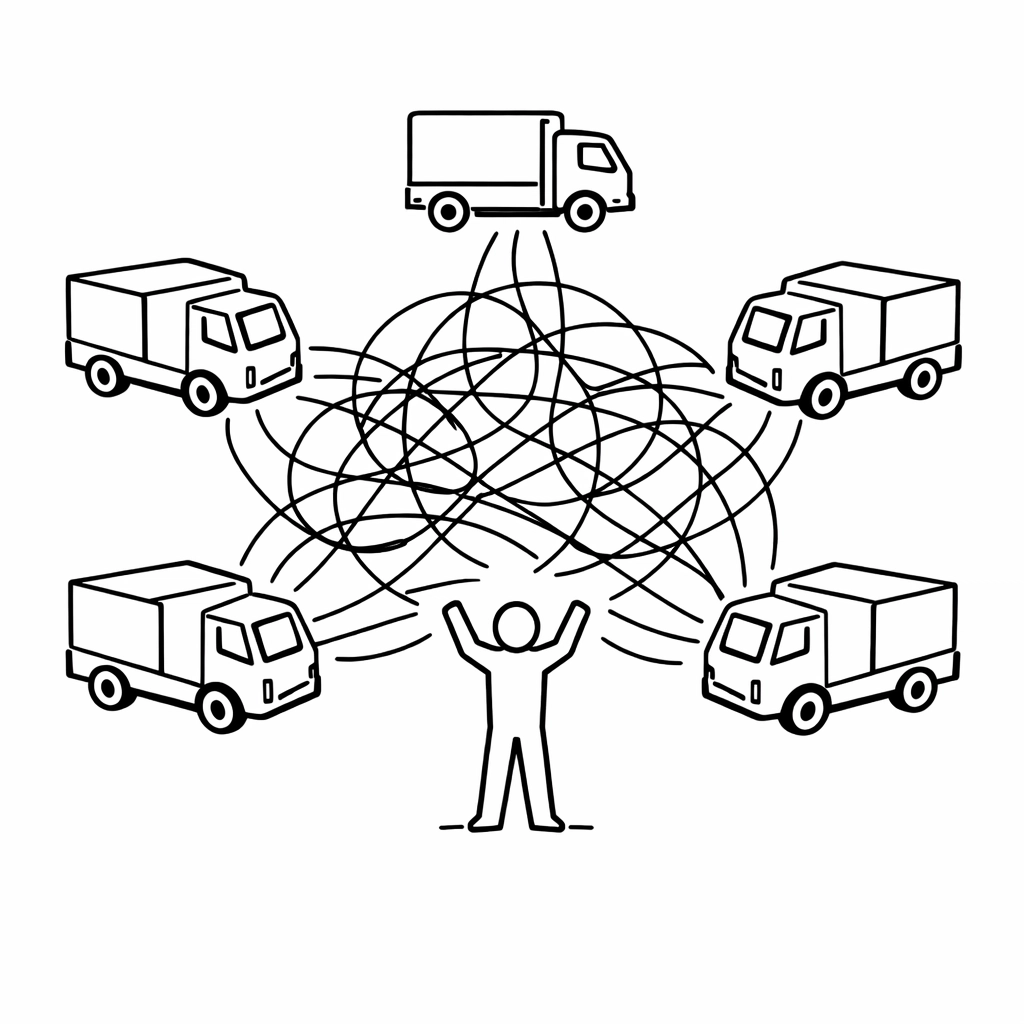
This is the owner-dependent trap. And it's the reason most HVAC companies never scale past this point. You become the bottleneck. Every decision routes through you. Growth doesn't feel like winning: it feels like drowning.
Here's the hard truth: adding more trucks, more technicians, and more marketing before stabilizing your operations doesn't create capacity. It creates chaos at scale.
Why "Just Hire Better People" Doesn't Work
Most owners facing this wall think the solution is talent: "I just need a better dispatcher." "I need technicians who take more initiative." "I need an operations manager."
But hiring doesn't solve a systems problem. Without standardized processes, every new person you bring in operates differently. One dispatcher prioritizes emergency calls. Another focuses on high-value maintenance agreements. Your technicians price jobs based on gut feel, not systems.
The result? Inconsistent customer experiences, unpredictable revenue, and you: still in the middle of everything: trying to hold it all together.
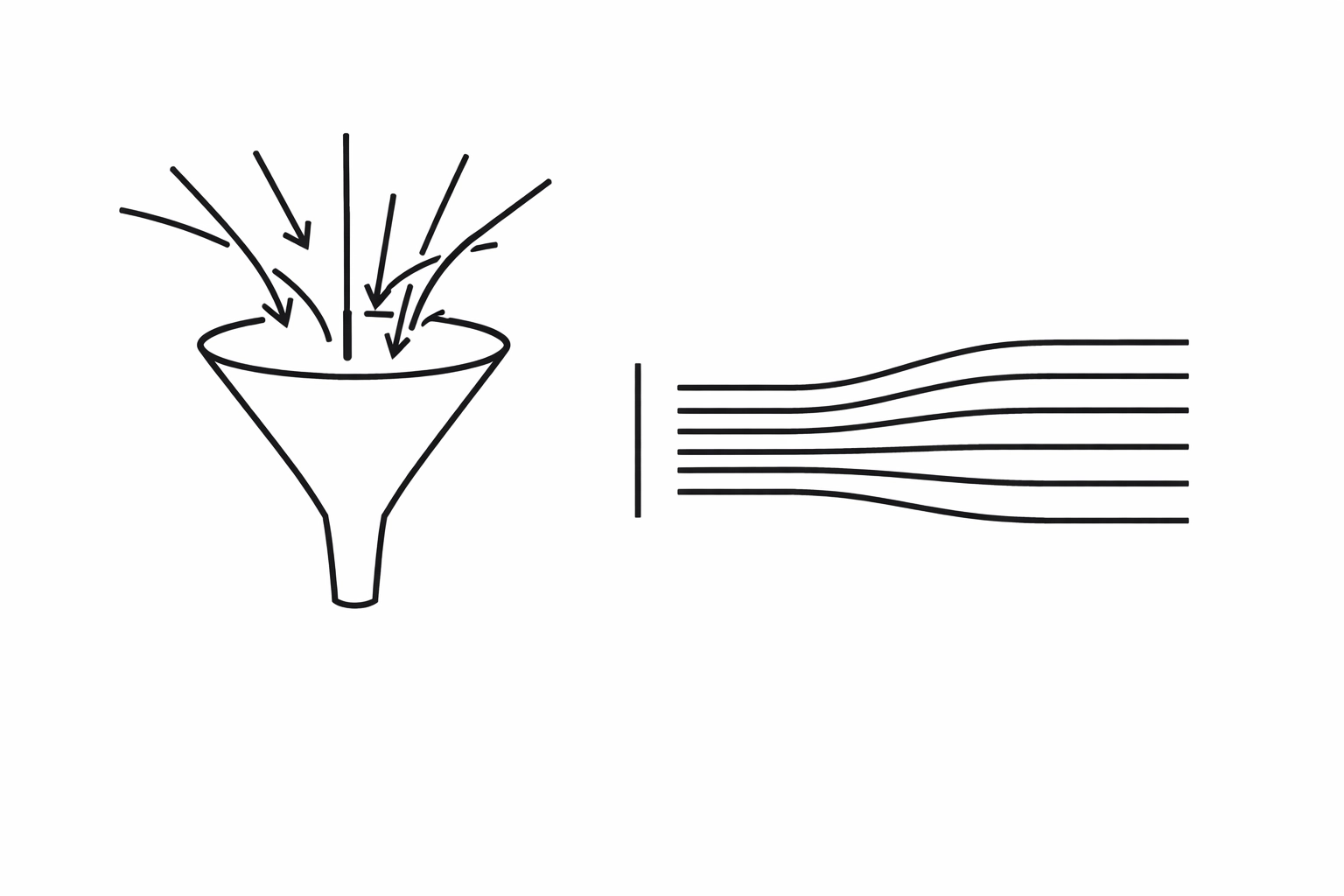
The companies that scale past five trucks make a fundamental shift: they stop depending on individual heroics and start building systems that produce reliable results without constant oversight.
The Systems-for-Revenue Approach
At Sentric Group, we work with HVAC owners facing exactly this challenge. Our approach isn't about adding complexity: it's about turning the chaos you're already living through into repeatable systems that generate predictable revenue.
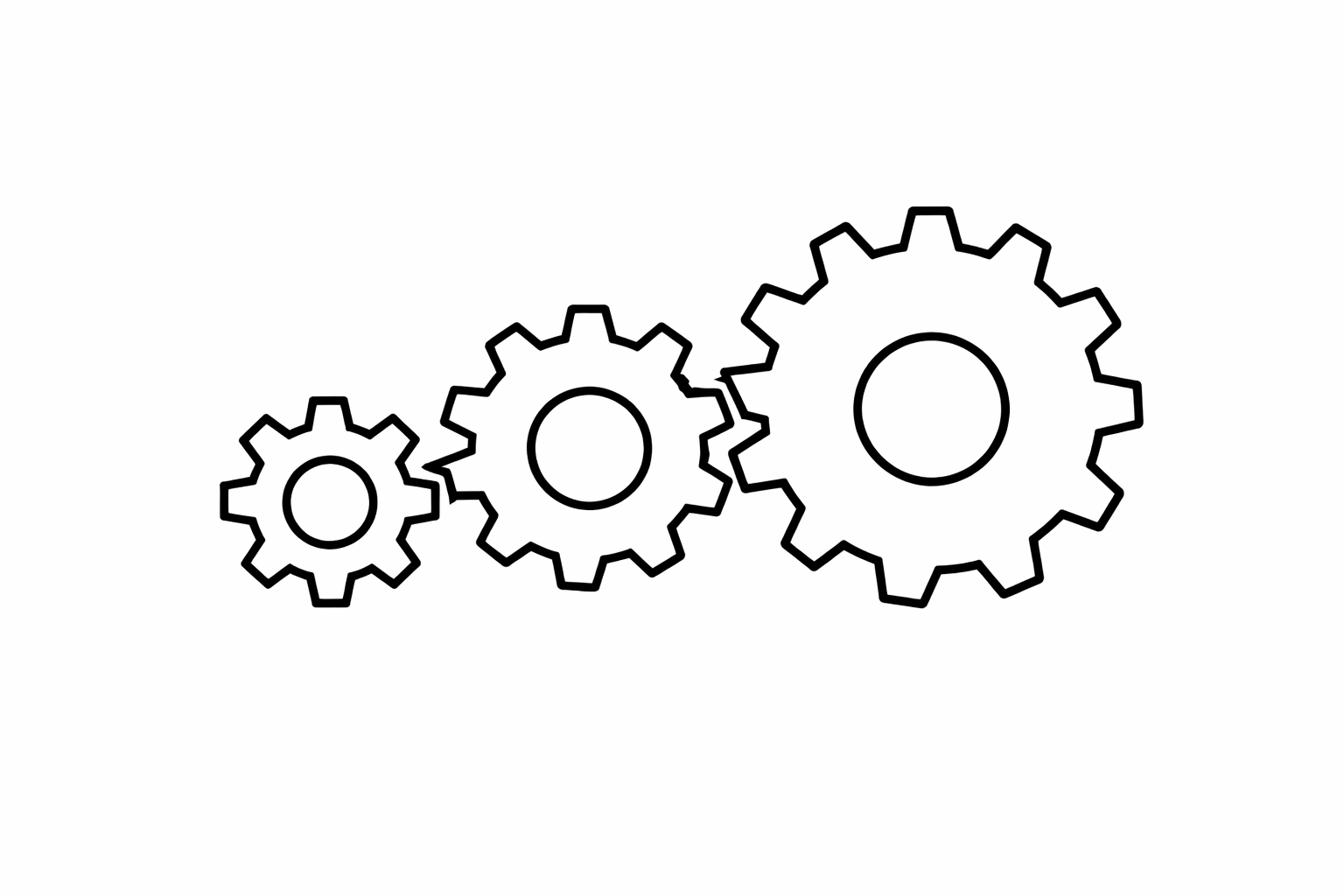
We call it Systems-for-Revenue, and it follows a three-phase model: Audit, Build, Share.
Phase 1: Audit: See What's Really Happening
Most HVAC owners think they know where the problems are. But assumptions aren't data. The audit phase maps every operational touchpoint:
- How do service calls move from phone to dispatch to technician to completion?
- Where do pricing decisions get stuck waiting for approval?
- What information lives in your field service software versus spreadsheets versus someone's head?
- Which bottlenecks force you into reactive firefighting mode every single day?
This isn't a consultant showing up with a clipboard and theory. It's a deep dive into your actual operations: the messy reality of how work gets done when you're running five trucks in the field.
The goal: identify the 20% of operational friction causing 80% of your stress.
Phase 2: Build: Design Systems That Work Without You
Once we see the gaps, we build systems that remove you from the decision loop. Not because you're not capable: but because your time is worth more than solving the same problem 47 times.
Standardized dispatch workflows mean scheduling conflicts get resolved by protocol, not by calling you. Flat-rate pricing systems mean technicians can quote confidently in the field without escalating every "special case" upward. Inventory management protocols mean parts are ordered, tracked, and available: without you chasing suppliers at 6 PM.

These aren't theoretical fixes. They're operational frameworks customized to how your company actually runs. Because an HVAC operation in Phoenix managing high-volume AC replacements doesn't operate like a full-service plumbing company in Michigan.
Phase 3: Share: Make Systems Stick Across Your Team
The best system in the world is worthless if your team doesn't use it. The "share" phase is where documented processes become daily habits.
This means:
- Training that's specific, not generic: Your team learns the actual workflows they'll use tomorrow, not vague "best practices"
- SOPs that people actually follow: Standard operating procedures written in plain language, integrated into the tools your team already uses
- Accountability through metrics: The right KPIs surface problems before they become crises
When systems are shared effectively, your team stops asking you for permission and starts executing with confidence.
The Metrics That Matter Past Five Trucks
You can't scale what you can't measure. But most HVAC owners are tracking the wrong numbers: or not tracking anything consistently.
Before you add truck six, get clear on these operational metrics:
- Revenue per technician per day: Are you maximizing capacity, or just staying busy?
- Gross margin by service type: Which jobs are profitable, and which are bleeding money?
- Callback rate: Are you fixing things right the first time, or creating expensive do-overs?
- Overtime percentage: Is growth coming from efficiency or just working people harder?
- Maintenance agreement penetration: Are you building recurring revenue, or chasing one-time jobs?

These numbers tell the story of whether your operations can handle scale: or whether adding capacity will just amplify existing problems.
The Leadership Shift: From Doing to Directing
The hardest part of scaling past five trucks isn't operational. It's personal.
You built this company by being the best technician, the most responsive owner, the person who could solve any problem. But the skills that got you to five trucks will keep you stuck at five trucks.
Scaling means letting go. It means coaching instead of doing. It means building teams that execute systems instead of making every call yourself.
This doesn't happen overnight. But it starts with a decision: are you building a company that depends on you, or one that works because of the systems you've put in place?
Stop Adding Capacity Before You Have Clarity
Here's the ironic truth about scaling HVAC companies: most growth problems aren't caused by lack of demand. They're caused by operational chaos that gets worse when you pour more work into broken systems.
Marketing can fill your calendar. But if dispatch is a mess, technicians are inconsistent, and you're still the go-to problem solver: more calls just mean more stress.
Clarity comes before capacity. Get your operations stable at five trucks, and scaling to ten becomes straightforward. Skip this step, and truck six might be the one that finally breaks you.
Ready to Scale Without the Chaos?
You didn't build a five-truck HVAC company by accident. You've proven you can grow. Now it's time to grow in a way that doesn't require you to be everywhere at once.
At Sentric Group, we help home service companies turn operational chaos into systematic growth. Our systems audit identifies exactly where your bottlenecks are: and what it takes to break through them.
Before you add another truck, get the systems in place to support it. Let's build the clarity, automation, and calm you need to scale past five trucks without losing your mind.
Sentric Group – Professional systems consulting for home service businesses ready to scale with confidence.